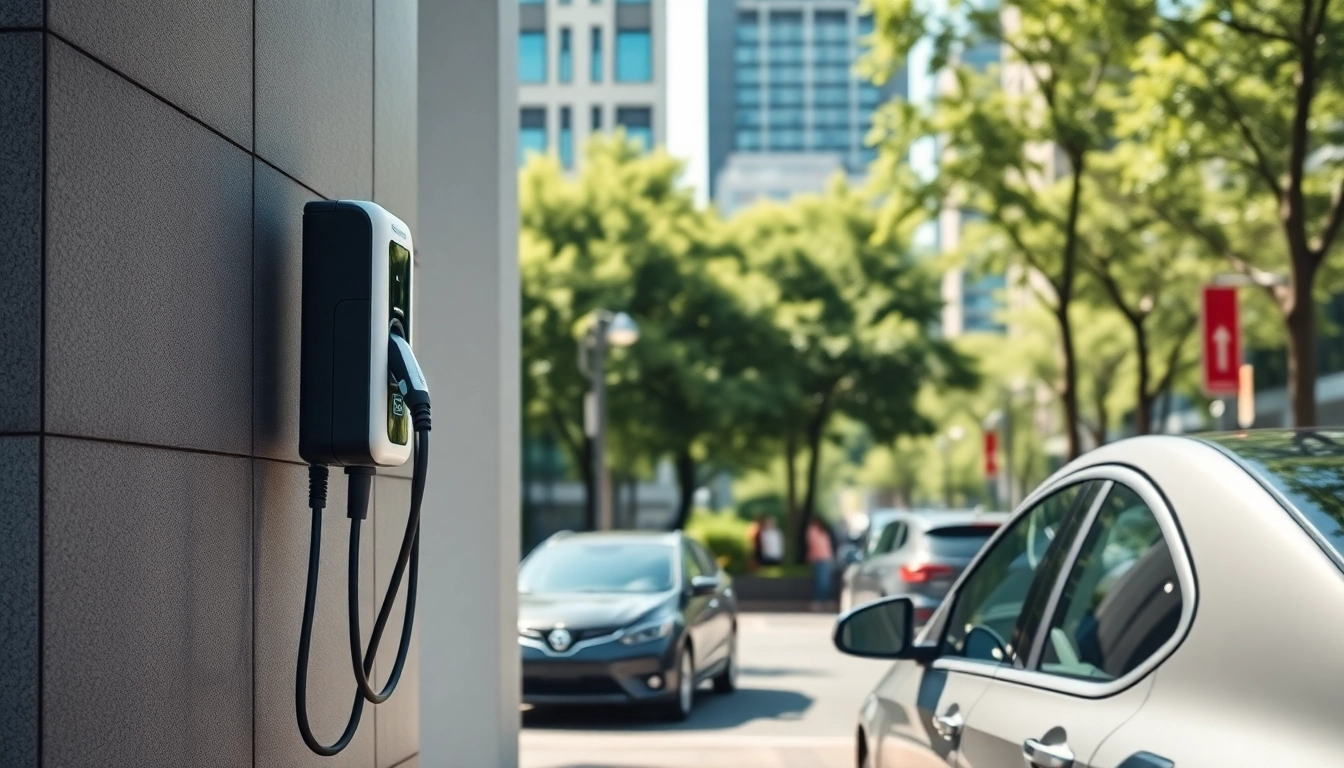
Understanding EV Charger Solution Basics
What is an EV Charger Solution?
An EV charger solution encompasses the infrastructure and equipment designed to charge electric vehicles (EVs). This includes hardware like charging stations that convert electrical energy into a form that can be utilized by electric vehicles. These solutions are vital for providing the necessary energy to power EVs, catering to both residential and commercial needs. With the rise in electric vehicle adoption, a solid understanding of these solutions becomes critical for consumers and businesses alike.
At its core, an EV charger solution not only involves the charging units themselves but also necessitates consideration for the electrical system's efficiency, safety measures, and regulatory compliance.
Different Types of EV Charger Solutions
There are generally three levels of EV chargers, each designed for specific charging needs and environments:
- Level 1 Chargers: These are standard household outlets that provide a slow charge, typically around 4-5 miles of range per hour. They are ideal for overnight charging at home.
- Level 2 Chargers: These chargers utilize a 240-volt outlet, delivering a quicker charge—10 to 60 miles of range per hour. They are commonly used in residential garages and commercial settings.
- DC Fast Chargers: This category is designed for public charging stations, providing rapid charging capability (up to 100 miles in 30 minutes) by converting AC power to DC. This is ideal for long-distance travels and quick top-ups.
Importance of EV Charger Solutions in Today's Market
As the EV market expands, so does the necessity for effective charging infrastructure. The value of EV charger solutions extends beyond mere convenience. They contribute to reducing greenhouse gas emissions by supporting a transition from fossil fuel-powered vehicles to electric mobility. Moreover, having multiple charging options enhances the viability and accessibility of electric vehicles, ultimately promoting sustained growth in the EV sector.
Additionally, businesses that invest in EV charger solutions gain a competitive edge by catering to the growing demographic of eco-conscious consumers. Implementing these solutions represents not only a commitment to sustainability but also a strategic move to attract and retain clients.
Choosing the Right EV Charger Solution for Your Needs
Assessing Charging Needs for EVs
Before selecting an EV charger solution, it’s crucial to evaluate individual charging needs influenced by vehicle type, energy consumption patterns, and accessibility requirements. Typical factors to consider include:
- Type of Electric Vehicle: Different models have varying charging capabilities and ranges.
- Daily Commute Distance: Assess how often and how far you travel each day to estimate energy needs.
- Available Charging Locations: Determine if the charger will be installed at home, a workplace, or a public space.
Comparison of EV Charger Types
When comparing different charger types, it helps to weigh factors like charging speed, installation costs, and specific usage scenarios. For example:
- Level 1 chargers are cost-effective but slow, making them suitable for overnight home charging.
- Level 2 chargers offer a balance of speed and cost-effectiveness, making them ideal for both home and commercial installations.
- DC Fast chargers are an investment but ideal for public charging environments where rapid turnarounds are necessary.
Evaluating Installation Requirements
Installation of an EV charging station involves several key considerations:
- Electrical Capacity: Ensure that the existing electrical system can handle the new load.
- Space Availability: Assess whether there's enough space indoors or outdoors for installation.
- Permits and Codes: Research local regulations to ensure compliance with building codes and safety standards.
Installation Best Practices for EV Charger Solutions
Site Assessment and Planning
A successful EV charger installation begins with a thorough site assessment. This involves evaluating the location for accessibility, visibility, and connection to the power supply. Careful planning can minimize future operational challenges and ensure user satisfaction. Consider factors like traffic flow, cable management, and safety concerns when selecting the site for installation.
Safety Protocols During Installation
Safety is paramount during the installation of EV chargers. Below are several vital safety protocols to follow:
- Qualified Personnel: Always hire certified electricians with experience in EV charging installations.
- Use of Quality Equipment: Ensure that all charging equipment and electrical components meet industry standards.
- Emergency Protocols: Establish an emergency shutdown procedure for the installation site in case of unexpected incidents.
Integration with Renewable Energy Sources
For a sustainable approach, integrating EV charger solutions with renewable energy sources like solar panels or wind turbines can dramatically reduce environmental impact. This not only enhances energy efficiency but may also lead to cost savings in power consumption.
Consider utilizing solar panels to power EV chargers in residential settings, possibly paired with energy storage systems to maximize efficiency. This combination allows for on-demand energy access while reducing reliance on the grid.
Maximizing the Efficiency of Your EV Charger Solution
Monitoring and Maintenance Strategies
Regular monitoring and maintenance of EV charging stations are essential to ensure their effectiveness and longevity. Implement strategies such as:
- Scheduled Inspections: Perform routine checks of hardware and connections to identify wear and tear.
- Utilizing Monitoring Software: Employ software that tracks usage patterns and performance metrics for each charging station.
- Prompt Repairs: Address any faults immediately to minimize downtime and maintain service levels.
Utilizing Smart Technology for Enhanced Performance
Smart EV chargers come equipped with features such as remote monitoring, energy management, and real-time analytics. Leveraging technology can significantly boost efficiency by optimizing charging times based on grid demand, potentially further cutting energy costs.
Investing in smart EV charging solutions encourages a more sustainable lifestyle while embracing the convenience of automation—an essential aspect of modern driving experiences.
Cost-Saving Strategies for Utilization
The cost of operating an EV charger can be effectively managed through strategic planning and implementation of cost-saving measures:
- Time-of-Use Rates: Take advantage of lower electricity rates during off-peak hours to charge vehicles at a reduced cost.
- Incentives and Rebates: Research available government incentives or rebates to offset initial installation costs.
- Shared Charging Stations: Consider creating shared charging facilities in multi-tenant properties to reduce overhead costs.
Future Trends in EV Charger Solutions
Emergence of Ultra-Fast Charging Technology
The future of EV charger solutions is rapidly evolving, with ultra-fast charging technology paving the way for even more efficient charging systems. These chargers can deliver significantly higher power output, translating to reduced charging times and enhanced user experiences. As technology advances, we can expect devices capable of recharging vehicles in under 15 minutes, making electric vehicles more appealing for users with tight schedules.
Impact of Government Regulations on EV Charger Solutions
As more governments around the world commit to achieving net-zero emissions, regulations surrounding EV infrastructure are likely to become stricter and more supportive of EV adoption. This could include mandating a specific number of charging stations in new commercial developments and offering incentives for private installations. Understanding these regulations will be invaluable for businesses and consumers alike.
Predictions for Market Growth and User Adoption
Market analysts project substantial growth in the EV sector, driven by advancements in battery technology, user awareness, and widespread adoption of sustainable practices. The future landscape will likely be defined by integrated smart solutions that provide seamless charging experiences, further cementing electric vehicles as the vehicle of choice for eco-conscious consumers.
Frequently Asked Questions
What is an EV charger solution?
An EV charger solution refers to the entire set of equipment and infrastructure designed to charge electric vehicles, including charging stations, electrical systems, and safety measures.
What are the different types of EV chargers?
The three main types are Level 1 (home outlets), Level 2 (faster residential or commercial chargers), and DC Fast Chargers (rapid charging at public stations).
How do I assess my charging needs?
Consider your daily commute, the type of electric vehicle, and where you plan to install the charger to determine your specific charging requirements.
What maintenance do EV chargers require?
Regular inspections, software monitoring, and prompt repairs are essential for maintaining EV chargers and ensuring they remain operational and efficient.
How can renewable energy be integrated with EV chargers?
Utilizing renewable energy sources, such as solar panels, can significantly power EV chargers sustainably, reducing reliance on the grid and enhancing cost-effectiveness.