What is Drayage? A Comprehensive Overview
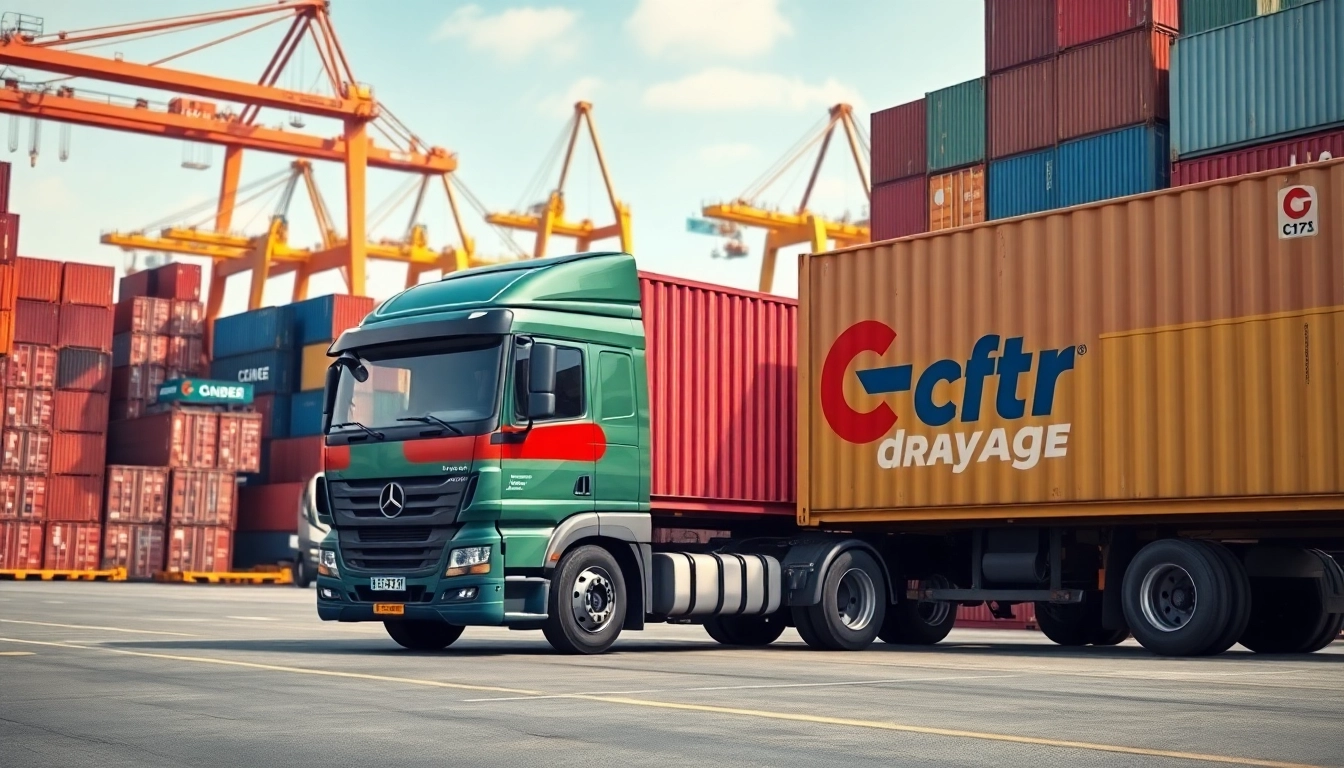
Drayage is the crucial process of transporting shipping containers over short distances, often by truck, as part of a broader logistics operation. This transportation typically occurs within the same geographical area and serves as a vital link in the supply chain. Understanding the specifics of drayage can illuminate its significance within the context of freight movement and logistics management.
The Definition and Scope of Drayage
At its core, drayage represents the transfer of cargo—specifically shipping containers—from one location to another over short distances. This distance is usually no more than 50 miles and often takes place between transport hubs such as ports, rail yards, and warehouses. While it may seem simple, drayage is often part of a larger intermodal transport system, which includes various modes of transport like shipping, rail, and trucking. The primary aim of drayage services is to efficiently move freight from one point to another, thereby facilitating the smooth functioning of supply chains.
Key Components of Drayage Services
Several components form the backbone of drayage services:
- Container Handling: This involves securing the container for transport, managing storage, and ensuring proper loading and unloading.
- Scheduling: Timely delivery is critical in supply chain management; effective scheduling helps in minimizing delays and optimizing routes.
- Compliance: Understanding and complying with regulations is vital, especially in ports or customs areas where specific procedures must be followed.
- Technology Integration: Modern drayage services increasingly rely on technology for tracking shipments, scheduling, and communication among the involved parties.
Drayage in the Supply Chain Context
Drayage is often seen as a critical link in the intermodal transport process, which involves multiple transportation modes to move goods from origin to destination. In this context, drayage often initiates or concludes the movement of freight—hence, its importance to the overall supply chain cannot be understated. The efficient management of drayage operations can lead to remarkable enhancements in supply chain effectiveness, ultimately influencing customer satisfaction and delivery timelines.
Types of Drayage Services
Port Drayage
Port drayage involves the process of transporting containers to and from ports. Given that ports are often overcrowded and subject to strict regulations, efficient port drayage operations are crucial. Special attention must be paid to demurrage, which is the charge incurred if containers are left at the port for longer than permitted.
Intermodal Drayage
Intermodal drayage is essential for coordination between different transportation modes. For example, it may involve moving a shipping container from a rail yard to a warehouse, utilizing trucks for the last mile delivery. This type of drayage can enhance logistical efficiency and facilitate faster delivery times, as it connects major transport networks.
Dedicated Drayage Solutions
Dedicated drayage solutions cater to specific clients with unique needs. These can include dedicated fleets for companies requiring regular pick-ups or deliveries, tailored scheduling, and customized loading protocols. Such focused services can significantly enhance the efficiency of logistics operations, allowing for greater flexibility and responsiveness to client demands.
Benefits of Efficient Drayage Operations
Cost-Effectiveness and Time Savings
Efficient drayage operations contribute to cost savings and time efficiencies. By optimizing routing and scheduling, transportation companies can reduce fuel costs and minimize idle time, translating into lower operational expenses. Additionally, timely drayage can prevent shipments from falling behind schedules, preserving client trust and satisfaction.
Improved Supply Chain Coordination
A well-managed drayage operation facilitates better coordination between various elements of the supply chain. With effective communication and technology integration, all players—from shipping lines to transporters and warehouses—can synchronize their efforts, which is particularly effective in minimizing bottlenecks and enhancing overall logistics performance.
Risk Management and Reliability
Engaging a dependable drayage provider can mitigate significant risks, such as delays caused by dock congestion or regulatory compliance issues. By leveraging established networks and experienced personnel, companies can enhance their reliability in deliveries, thus fostering long-term relationships with clients and suppliers alike.
Challenges in Drayage and How to Overcome Them
Traffic Congestion and Delays
One of the primary challenges drayage companies face is traffic congestion, especially in urban areas near ports and rail yards. To overcome this, it is essential to utilize state-of-the-art route optimization technologies that can help identify less congested paths. Additionally, planning ahead during peak times and building flexibility into schedules can mitigate potential delays.
Regulatory Compliance Issues
Given the complexity of logistics operations, drayage activities must adhere to various regulations, including safety, weight limits, and environmental laws. Regular training for all personnel and keeping updated with changes in regulations are critical for compliance. Employing technology solutions that provide alerts and compliance checks can also enhance adherence to legal standards.
Environmental Concerns and Solutions
Environmental considerations are increasingly important in logistics, including drayage. Companies can address these concerns through eco-friendly practices such as optimizing fuel efficiency, using low-emission trucks, and exploring electrification options. Collaborating with stakeholders to implement sustainable practices can not only fulfill regulatory requirements but also bolster a company’s brand reputation.
Future Trends in the Drayage Industry
Technological Innovations in Drayage
The future of drayage is heavily tied to technology advancements. Innovations like autonomous vehicles, improved telematics for real-time tracking, and AI-driven route optimization are set to transform drayage operations. Companies adopting these technologies will likely gain a competitive edge in terms of efficiency and customer service.
Sustainability and Green Practices
As global emphasis on sustainability grows, drayage companies are increasingly adopting green practices. These include utilizing electric or hybrid trucks, engaging in carbon offset programs, and optimizing logistics for reduced environmental impact. Companies that align their operations with sustainability goals will appeal to eco-conscious consumers and clients.
The Role of Big Data in Drayage Optimization
Big data analytics provides a wealth of insights that can significantly enhance drayage operations. By analyzing data related to traffic patterns, fuel consumption, and customer behavior, companies can make informed decisions that promote operational efficiency. Leveraging big data enables proactive measures to mitigate potential challenges before they arise, ultimately leading to a smoother logistics process.