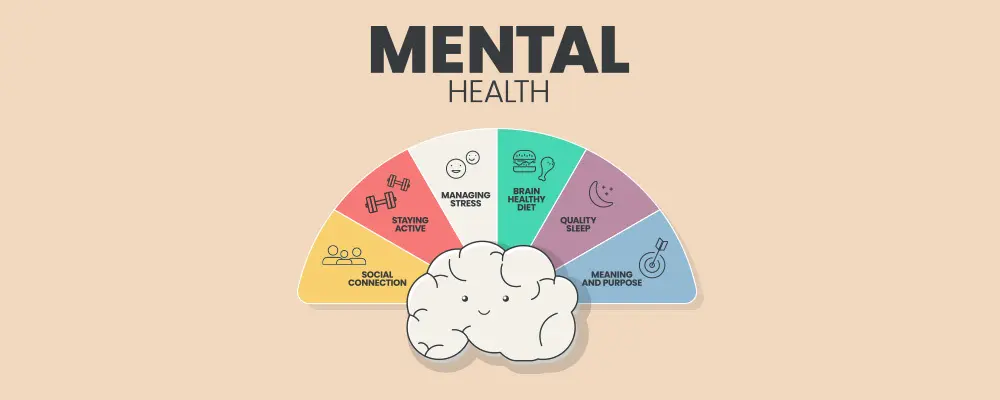
In the modern world, stress, anxiety, and burnout have become increasingly common, affecting productivity, relationships, and overall wellbeing. Implementing effective Mental health tips is essential to manage these challenges and maintain a balanced emotional state. By understanding the underlying causes and applying evidence-based strategies, individuals can enhance resilience, reduce tension, and cultivate long-term mental health.
Understanding Stress, Anxiety, and Burnout
Stress, anxiety, and burnout are interrelated experiences that impact the mind and body. Recognizing the differences and their effects is the first step toward effective management.
What is Stress?
Stress is a physiological and psychological response to perceived challenges or threats. While occasional stress can be motivating, chronic stress can impair immune function, disrupt sleep, and increase the risk of anxiety and depression.
What is Anxiety?
Anxiety is characterized by persistent worry, tension, or fear, often disproportionate to actual circumstances. It can manifest physically through headaches, rapid heartbeat, or digestive disturbances, and mentally through excessive rumination or difficulty concentrating.
Understanding Burnout
Burnout results from prolonged exposure to stress, particularly in work or caregiving contexts. Symptoms include emotional exhaustion, cynicism, reduced efficiency, and a sense of detachment. Burnout not only affects mental health but can also have severe physical and social consequences.
Evidence-Based Approaches to Stress Management
Effective stress management involves a combination of lifestyle adjustments, cognitive techniques, and behavioral interventions supported by research.
Mindfulness and Meditation
Scientific studies consistently show that mindfulness practices reduce stress hormone levels and improve emotional regulation. Techniques such as guided meditation, mindful breathing, and body scans promote relaxation, enhance focus, and reduce rumination.
Breathing Techniques for Calm
Controlled breathing activates the parasympathetic nervous system, counteracting the body’s stress response. Techniques like diaphragmatic breathing, 4-7-8 breathing, and alternate nostril breathing provide immediate relief from tension and anxiety.
Physical Activity
Exercise is a proven method for reducing stress and preventing burnout. Aerobic activities, strength training, and yoga release endorphins, improve sleep quality, and enhance cognitive function, supporting emotional stability.
Cognitive Strategies to Manage Anxiety
Cognitive approaches target thought patterns and perception, providing tools to reduce anxiety and improve emotional regulation.
Cognitive Behavioral Techniques
Cognitive Behavioral Therapy (CBT) techniques help identify and challenge negative thought patterns. By reframing irrational beliefs and adopting constructive thinking, individuals reduce anxiety and improve problem-solving abilities.
Journaling for Emotional Clarity
Writing down thoughts and emotions helps identify triggers and patterns. Journaling fosters self-awareness, reduces internal stress, and provides perspective, making it easier to manage anxiety and prevent burnout.
Goal Setting and Task Management
Breaking tasks into smaller, manageable steps reduces overwhelm. Prioritizing tasks, setting realistic deadlines, and celebrating small achievements enhance productivity and mitigate the psychological strain that leads to burnout.
Nutrition and Mental Health
Dietary choices significantly influence stress response, anxiety levels, and overall mental wellbeing.
Foods That Reduce Stress
Nutrient-rich foods such as leafy greens, fatty fish, nuts, and berries contain vitamins, minerals, and antioxidants that support brain function and regulate stress hormones. Maintaining a balanced diet is fundamental for emotional stability.
Avoiding Mood-Destabilizing Foods
Excess sugar, caffeine, and highly processed foods can exacerbate anxiety and contribute to mood swings. Reducing these substances helps maintain steady energy and emotional balance.
Hydration and Cognitive Performance
Dehydration can impair concentration, increase irritability, and worsen stress. Drinking adequate water throughout the day supports cognitive function, emotional regulation, and physical health.

Sleep and Recovery
Sleep is critical for emotional regulation, stress management, and recovery from burnout. Scientific evidence shows that quality sleep enhances mood, improves memory, and supports resilience.
Sleep Hygiene Practices
Establishing a consistent sleep schedule, limiting screen exposure before bedtime, and creating a calming sleep environment improve restorative sleep. Techniques such as journaling or relaxation exercises before bed reduce nighttime anxiety.
Power of Naps
Short daytime naps can reduce stress and improve cognitive performance. However, naps should be limited to 20–30 minutes to avoid disrupting nighttime sleep.
Addressing Sleep Disorders
Persistent sleep disturbances may require professional evaluation. Treating insomnia, sleep apnea, or other disorders improves emotional wellbeing and enhances the effectiveness of other mental health strategies.
Building Resilience to Prevent Burnout
Resilience is the ability to adapt and recover from stress. Evidence-based practices help individuals strengthen their capacity to cope with challenges and prevent burnout.
Emotional Awareness and Regulation
Recognizing and understanding emotions is key to resilience. Practices like mindfulness, journaling, and reflective questioning help individuals respond to stressors effectively rather than reacting impulsively.
Self-Compassion and Positive Self-Talk
Research shows that self-compassion reduces anxiety and emotional exhaustion. Positive self-talk encourages constructive problem-solving and promotes a sense of control over stressful situations.
Social Support Networks
Strong social connections buffer stress and reduce burnout risk. Seeking support from friends, family, or professional networks provides emotional validation, guidance, and practical assistance.
Mind-Body Interventions
Integrating mind-body practices offers tangible benefits for reducing stress, anxiety, and burnout.
Yoga and Tai Chi
These practices combine physical movement, breath control, and mindfulness, improving emotional regulation and reducing cortisol levels. Regular practice enhances mental clarity, flexibility, and overall wellbeing.
Progressive Muscle Relaxation
Progressive muscle relaxation (PMR) involves tensing and relaxing muscle groups systematically. PMR reduces physiological tension, alleviates stress, and promotes deep relaxation.
Visualization and Guided Imagery
Visualization techniques and guided imagery allow individuals to mentally rehearse calming scenarios, reducing anxiety and enhancing emotional stability. These methods are supported by research for their effectiveness in stress reduction.
Managing Work-Related Stress
Occupational stress is a primary contributor to anxiety and burnout. Adopting evidence-based workplace strategies improves mental health and productivity.
Time Management and Prioritization
Effective planning, realistic goal setting, and task delegation reduce workload-related stress. Structuring the workday strategically minimizes overwhelm and enhances focus.
Boundaries and Work-Life Balance
Setting boundaries between professional and personal life prevents emotional exhaustion. Limiting overtime, taking regular breaks, and disconnecting from work outside scheduled hours protects mental wellbeing.
Seeking Professional Development
Continuous skill development and career growth opportunities enhance self-efficacy, reduce workplace stress, and increase satisfaction. Feeling competent and engaged is critical for emotional resilience.
Digital Wellness and Stress Reduction
Technology, while useful, can exacerbate anxiety and stress if used excessively. Evidence-based strategies promote digital balance.
Limiting Screen Time
Reducing excessive exposure to devices and social media prevents cognitive overload and emotional fatigue. Scheduled device-free periods enhance focus and relaxation.
Mindful Media Consumption
Engaging with informative, positive, and educational content supports mental health, while limiting negative news and social comparison reduces stress and anxiety.
Utilizing Digital Tools for Mental Health
Apps and online platforms designed for mindfulness, stress management, and sleep improvement provide accessible, evidence-based support. Integrating these tools strategically enhances daily wellbeing.
Integrating Mental Health Practices into Daily Life
Consistency is key to managing stress, anxiety, and burnout effectively. Developing structured routines that incorporate mental health tips ensures long-term benefits.
Morning Routines for Calm
Starting the day with mindfulness exercises, light physical activity, and a balanced breakfast sets a positive tone and reduces stress reactivity.
Midday Check-Ins
Scheduling brief moments for deep breathing, stretching, or journaling during the day helps manage stress and maintain focus. Midday resets prevent emotional overload.
Evening Wind-Down Practices
Engaging in relaxing activities, reflecting on achievements, and preparing for restful sleep enhance emotional balance and recovery. Evening routines reinforce overall mental resilience.
Conclusion
Managing stress, anxiety, and burnout is achievable through consistent, science-backed practices. By incorporating mental health tips such as mindfulness, exercise, proper nutrition, cognitive strategies, sleep optimization, social support, and digital wellness, individuals can maintain emotional balance and prevent long-term mental health challenges. Developing these strategies into daily routines fosters resilience, enhances productivity, and promotes a healthier, more fulfilling life. The homepage is your central hub for everything we publish.
FAQs
What are the most effective daily practices to prevent burnout?
Daily practices include mindfulness meditation, regular exercise, balanced nutrition, journaling, sufficient sleep, and structured work-life boundaries. Consistency in these habits reduces stress, improves focus, and enhances emotional resilience.
How can I manage anxiety effectively throughout the day?
Effective strategies include deep breathing exercises, cognitive reframing of negative thoughts, regular physical activity, and mindfulness practices. Combining these techniques helps regulate emotions and reduce persistent anxiety.
Does social support really reduce burnout risk?
Yes. Research shows that supportive relationships provide emotional validation, practical guidance, and a sense of belonging. Social support mitigates stress and decreases the likelihood of burnout, improving long-term mental health.