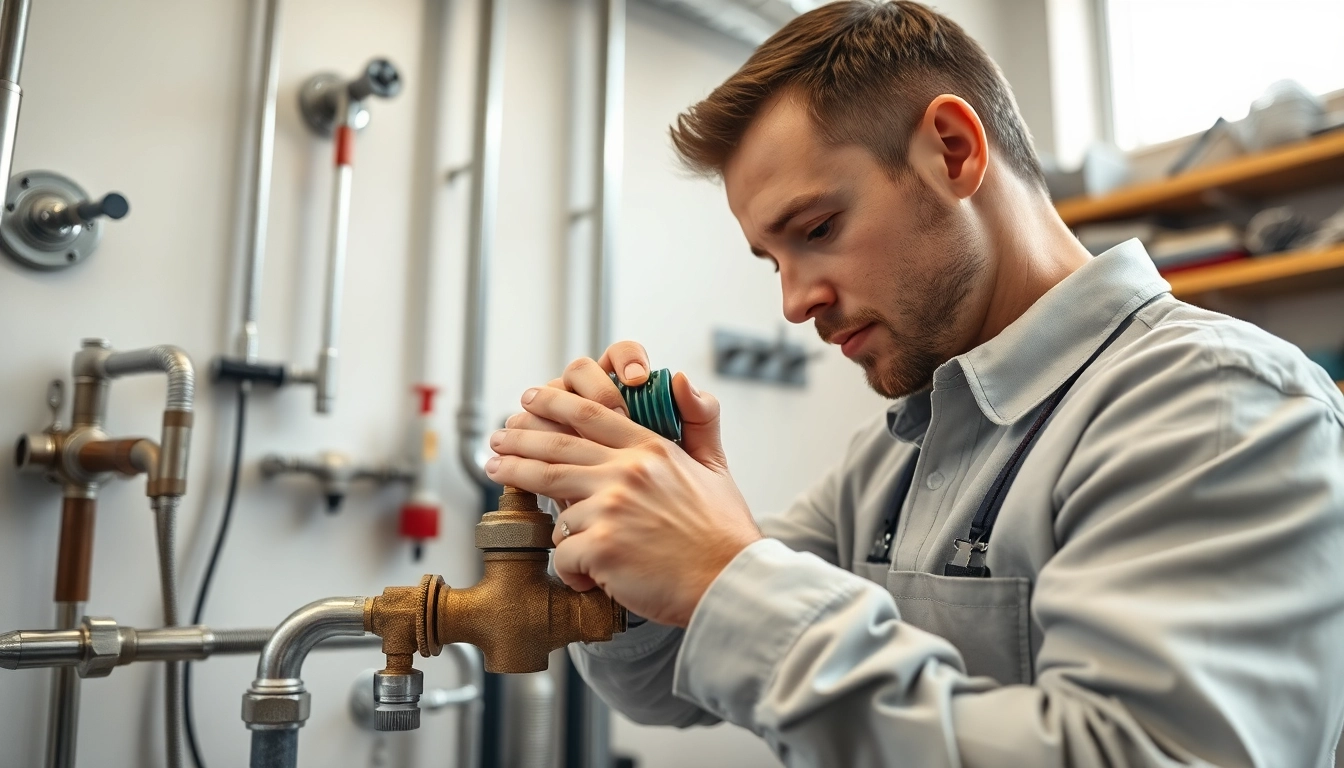
Understanding the Plumbing Apprenticeship
Embarking on a plumbing apprenticeship is a transformative step into a rewarding career. A plumbing apprenticeship combines classroom learning with practical experience, preparing individuals for the complexities of the plumbing industry. This article delves deep into what constitutes a plumbing apprenticeship, the benefits of pursuing one, its structure, and tips for succeeding throughout the journey.
What Constitutes a Plumbing Apprenticeship?
A plumbing apprenticeship is a structured training program that typically lasts three to five years. During this time, apprentices work under the guidance of experienced licensed plumbers, absorbing both theoretical knowledge and hands-on experience. The apprenticeship usually blends formal education with real-world training, allowing participants to develop their skills in a supervised environment. Participants learn everything from basic plumbing techniques to advanced troubleshooting skills, working towards obtaining a recognized certification in the field.
Key Benefits of Pursuing a Plumbing Apprenticeship
The advantages of enrolling in a plumbing apprenticeship are significant. Firstly, apprentices earn while they learn, which alleviates financial burdens typically associated with education. Secondly, they gain valuable experience in the field, making them more marketable upon completion. Additionally, apprenticeships often provide networking opportunities, connecting individuals with potential employers and mentors. Most importantly, an apprenticeship leads to a recognized qualification that is essential for advancing in the plumbing trade.
Typical Duration and Structure of Apprenticeships
The duration of a plumbing apprenticeship can vary, generally ranging from three to five years. This timeframe allows apprentices to cover a comprehensive curriculum, which includes classes on plumbing codes, safety regulations, and advanced plumbing technologies, alongside practical experience. The structure typically involves working full-time under a licensed plumber while participating in evening or weekend classes to study theory. This balance between work and education creates a well-rounded experience essential for success in the field.
Essential Skills for Aspiring Plumbers
Technical Skills Required in Plumbing
To excel in plumbing, aspiring professionals need a strong foundation in technical skills. These include knowledge of plumbing systems, pipe fitting, drainage installation, and the ability to read blueprints and schematics. Understanding various materials used in plumbing is also crucial, from PVC to copper piping. Mastering these skills not only enhances an apprentice's competence but also prepares them for the actual responsibilities they will face on job sites.
Soft Skills to Develop During Apprenticeship
Beyond technical proficiency, soft skills are equally vital for success in plumbing. Effective communication is essential, as plumbers must explain technical details to clients who may not understand the jargon. Problem-solving abilities also play a key role, allowing plumbers to navigate unexpected challenges on the job. Similarly, time management skills help apprentices meet deadlines while balancing multiple tasks efficiently—skills that are imperative for long-term career success.
Importance of Safety Procedures and Regulations
Safety in plumbing cannot be overstated. Apprentices must familiarize themselves with local plumbing codes and safety regulations to ensure compliance during installations and repairs. Understanding safety procedures, such as proper lifting techniques and working in confined spaces, protects both the apprentice and the public. Furthermore, mastering these regulations reduces the risk of accidents, fosters a safe working environment, and ultimately enhances the quality of service provided.
Finding the Right Plumbing Apprenticeship Programs
Tips for Researching Local Opportunities
Finding the right plumbing apprenticeship program requires thorough research. Start by reaching out to local trade schools, community colleges, and industry associations that may list available apprenticeship opportunities. Online resources and job boards can also offer valuable insights into local and national programs. Additionally, consider attending plumbing workshops or expos, where you can make connections with instructors and industry leaders.
Evaluating Apprenticeship Program Quality
Not all plumbing apprenticeship programs are created equal. When evaluating a program, consider its accreditation status and the credentials of its instructors. Look for reviews or testimonials from former apprentices to gauge the program's success. It’s also beneficial to inquire about partnerships with local businesses that may lead to job placements after completion. A robust program should offer a well-rounded curriculum with a strong emphasis on hands-on training.
Networking and Asking for Recommendations
Networking plays a crucial role in finding high-quality apprenticeship programs. Attend industry events, join plumbing associations, and engage with professionals on platforms like LinkedIn. Asking for recommendations from experienced plumbers or instructors can provide insights into reputable programs in your area. Building relationships can not only provide guidance but may also lead directly to apprenticeship opportunities.
Success Strategies During Your Apprenticeship
Maximizing Learning Experience on the Job
To make the most of a plumbing apprenticeship, apprentices should actively seek opportunities to learn on the job. This means asking questions, observing experienced plumbers, and volunteering for new tasks. Taking notes and reflecting on daily experiences can also solidify learning. Proactive engagement helps apprentices to deepen their understanding and gain confidence in their abilities over time.
Building Professional Relationships with Mentors
Strong mentor relationships can significantly enhance your apprenticeship experience. Establish a rapport with your mentor by showing initiative, being punctual, and demonstrating a willingness to learn. Regularly seeking feedback and taking constructive criticism positively will build trust and respect. This relationship can provide invaluable guidance and insight into the plumbing profession, as well as potential job opportunities upon completion of the apprenticeship.
Balancing Work and Study Effectively
Balancing the demands of a plumbing apprenticeship can be challenging but is essential for success. Developing a structured routine that allocates time for work, study, and personal commitments can help manage this balance. Time management tools and techniques, such as prioritizing tasks and setting specific goals for study sessions, can enhance focus and productivity. Remember to allow time for self-care and rest to avoid burnout.
Career Pathways After Completing the Apprenticeship
Job Opportunities and Specializations in Plumbing
Upon completing a plumbing apprenticeship, numerous career pathways open up to graduates. Many choose to work as licensed plumbers, while others may opt for specializations, including pipefitting, residential plumbing, or commercial plumbing. Emerging fields like green plumbing and smart home technology also offer exciting career prospects for those with an interest in innovation and sustainability.
Continuing Education for Career Advancement
Continuing education is vital for plumbers looking to advance their careers. Many choose to pursue additional certifications in specialized areas, such as gas line installation or HVAC system design. Other avenues include attending workshops or enrolling in online courses to keep up with industry trends and technological advancements. Ongoing education not only improves skills but also increases earning potential and job security.
Long-term Career Outlook for Plumbers
The long-term career outlook for plumbers is promising, with a consistent demand for skilled tradespeople. Factors such as infrastructure development, aging plumbing systems, and increasing environmental regulations contribute to a healthy employment landscape. Additionally, plumbers who continuously upgrade their skills are likely to have better job security and earn higher wages, making plumbing a stable and rewarding career choice.
Frequently Asked Questions
What is a plumbing apprenticeship?
A plumbing apprenticeship is a hands-on training program that combines practical work experience with classroom instruction, typically lasting 3-5 years.
How do I find an apprenticeship program?
You can find apprenticeship programs by researching local trade schools, reaching out to plumbing associations, and networking within the plumbing community.
What qualifications do I need to apply?
Most programs require a high school diploma or equivalent, along with a basic understanding of math and science as prerequisites for enrollment.
What are the average earnings for apprentices?
Plumbing apprentices typically earn a fraction of a licensed plumber's wage, which increases with experience and skill level throughout their apprenticeship.
Can I specialize in plumbing after my apprenticeship?
Yes! After completing your apprenticeship, you can specialize in areas like HVAC, gas line work, or sustainable plumbing, enhancing job prospects and salary potential.