Understanding the Importance of Vapor Barrier Installation
In homes across the United States, understanding the significance of vapor barrier installation can make a remarkable difference in maintaining a healthy living environment. Vapor barriers play a crucial role in preventing moisture-related issues that can lead to mold, structural damage, and decreased indoor air quality. By ensuring that moisture is kept at bay, homeowners safeguard their properties from potential hazards.
Understanding how to properly implement Vapor Barrier Installation not only protects your investment but also promotes a more comfortable living space. Additionally, it aids in energy efficiency by reducing the burden on heating and cooling systems. This comprehensive guide will explore the myriad benefits of vapor barriers, the materials suitable for installation, the steps involved in the process, and effective maintenance strategies.
Benefits of Vapor Barriers for Your Home
One of the primary benefits of vapor barriers is their ability to mitigate moisture accumulation in crawl spaces and basements. This is essential because excessive moisture can lead to the growth of mold and mildew, which pose health risks to inhabitants. Here are some key benefits associated with the installation of vapor barriers:
- Prevention of Mold Growth: Maintaining a dry environment inhibits the formation of mold spores, which are harmful to health.
- Enhanced Indoor Air Quality: Cleaner air circulation is achieved as reduced humidity translates to fewer allergens and irritants.
- Protection Against Structural Damage: Moisture can weaken wooden beams and create hazardous conditions within a home.
- Improved Energy Efficiency: By controlling humidity levels, HVAC systems run more efficiently, leading to lower utility bills.
- Increased Property Value: A home equipped with a proper vapor barrier is more appealing and can command a higher market price.
Common Issues Addressed by Vapor Barrier Installation
Vapor barriers effectively address several common issues faced by homeowners:
- Humidity Control: High humidity levels in crawl spaces can cause discomfort and increased energy costs.
- Pest Infestation: Many pests thrive in damp environments; vapor barriers can deter them.
- Uneven Temperature Distribution: Vapor barriers help maintain consistent indoor temperatures, reducing energy usage.
- Corrosion of Materials: Protective layers prevent moisture ingress that leads to rusting and decay.
Regulatory Guidelines for Vapor Barrier Use
Vapor barriers must often adhere to specific building codes and regulations, which can vary by location. Common guidelines encompass:
- Material Standards: Local codes may dictate the type of materials that are suitable for vapor barriers, including thickness and permeability requirements.
- Installation Practices: Proper installation techniques may be mandated to ensure that vapor barriers function effectively.
- Moisture Testing: Some jurisdictions require moisture testing prior to installation to determine the necessity and effectiveness of vapor barriers.
Choosing the Right Material for Vapor Barrier Installation
When it comes to vapor barrier materials, selection is key to ensuring longevity and effectiveness. The right material will depend on factors such as the environment, local regulations, and costs associated with various options. Understanding these materials can lead to more informed decisions.
Types of Vapor Barrier Materials Explained
There are several types of materials commonly used for vapor barriers, including:
- Polyethylene Sheeting: The most widely used option, available in different thicknesses, offering reliable moisture resistance.
- Foil Barriers: Reflective materials that are effective at blocking moisture and can also reduce radiant heat transfer.
- Spray-On Barriers: Recently popularized for their ease of application and ability to adhere to various surfaces.
Comparing Costs of Different Vapor Barrier Options
Costs can vary significantly depending on the type of vapor barrier and the installation method. On average:
- Polyethylene Sheeting: Generally, prices range from $0.10 to $0.50 per square foot.
- Foil Barriers: Often more expensive, costing between $0.50 to $1.00 per square foot.
- Spray-On Barriers: Installation can vary widely, but costs can reach up to $3.00 per square foot, depending on application.
Factors Influencing Material Selection
Several factors should influence the choice of material for vapor barrier installation:
- Climate: In humid climates, thicker materials may be necessary for maximum protection.
- Budget: Cost-effective options like polyethylene may suffice for many homeowners.
- Installation Environment: The surface conditions will determine whether sheets or sprays are more appropriate.
- Local Codes: Always check municipal regulations that may restrict or call for specific materials.
Steps for Effective Vapor Barrier Installation
A successful vapor barrier installation involves careful planning and execution. Below are detailed steps for an effective application.
Preparing Your Crawl Space for Vapor Barrier Installation
Preparation is key to ensuring a successful installation:
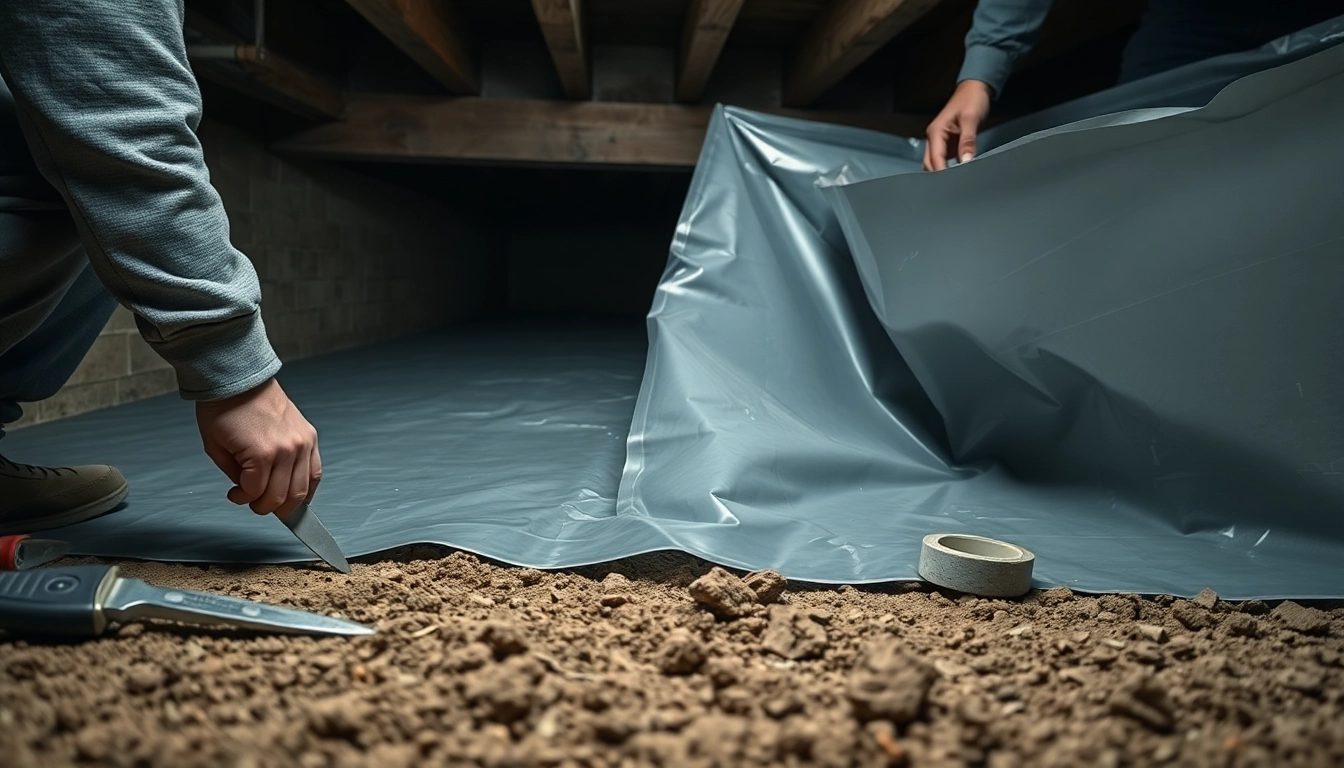
- Clear Debris: Remove any existing debris, vegetation, or obstacles from the installation area.
- Inspect for Damage: Check for signs of moisture damage, mold, or structural deterioration that should be repaired before installation.
- Level the Ground: Ensure the ground is flat and smooth to avoid tears in the vapor barrier.
Tools Required for Successful Installation
To achieve a proper installation, make sure you have the following tools on hand:
- Utility Knife: For cutting the vapor barrier material to size.
- Measuring Tape: Essential for ensuring accurate measurements.
- Stapler or Tape: For securing the edges of the vapor barrier to the ground and walls.
- Heavy-Duty Gloves: Protect your hands from sharp edges and rough surfaces.
Common Mistakes to Avoid During Installation
To achieve optimal results during vapor barrier installation, avoid these common pitfalls:
- Inadequate Coverage: Ensure the barrier covers all exposed areas for maximum effectiveness.
- Poor Sealing: Neglecting to seal seams and edges can lead to moisture penetration.
- Ignoring Ventilation: Even with a vapor barrier, proper ventilation is essential to prevent moisture buildup.
Maintaining and Inspecting Your Vapor Barrier
Once the vapor barrier is installed, ongoing maintenance and inspection are necessary to ensure it remains effective over time.
Signs that Your Vapor Barrier Needs Replacement
Be vigilant for signs that indicate your vapor barrier may require replacement:
- Visible Tears or Holes: Any breaches can compromise the barrier’s integrity.
- Mold Growth: The appearance of mold on or around the barrier suggests failure.
- Persistent Odors: Musty smells usually indicate moisture issues related to the barrier.
Routine Maintenance Tips for Longevity
To prolong the life of your vapor barrier, consider these maintenance tips:
- Regular Inspections: Schedule inspections at least once a year to catch potential issues early.
- Address Water Intrusion: Immediately repair any leaks or water damage detected in the area.
- Maintain Good Ventilation: Ensure continuous airflow in crawl spaces to avoid moisture accumulation.
How Weather and Environment Affect Vapor Barrier Performance
Vapor barrier effectiveness can be significantly impacted by environmental conditions:
- Humidity Levels: High humidity can decrease performance; barriers may be less effective during wet seasons.
- Temperature Extremes: Freezing and thawing can cause materials to expand and contract, leading to potential damage.
- Natural Disasters: Hurricanes or floods can compromise barriers, requiring immediate assessment and repair.
Frequently Asked Questions about Vapor Barrier Installation
What is a vapor barrier, and why is it needed?
A vapor barrier is a material used to prevent moisture from passing through into undesired areas, such as crawl spaces or basements. It's essential to protect against mold, structural damage, and poor air quality.
How long does vapor barrier installation take?
The duration of vapor barrier installation can vary, but typically it takes a professional between 2 to 4 hours for an average-sized crawl space, depending on conditions.
Can I install a vapor barrier myself?
Yes, homeowners can install vapor barriers themselves; however, proper planning, tools, and adherence to guidelines are crucial for an effective installation.
What happens if a vapor barrier is improperly installed?
Improper installation may lead to moisture intrusion, mold growth, and potentially severe structural issues, impacting the health of occupants and the integrity of the home.
How often should I inspect my vapor barrier?
It's recommended to inspect your vapor barrier at least once a year or after significant weather events. Regular assessments help catch issues early and ensure continued effectiveness.