

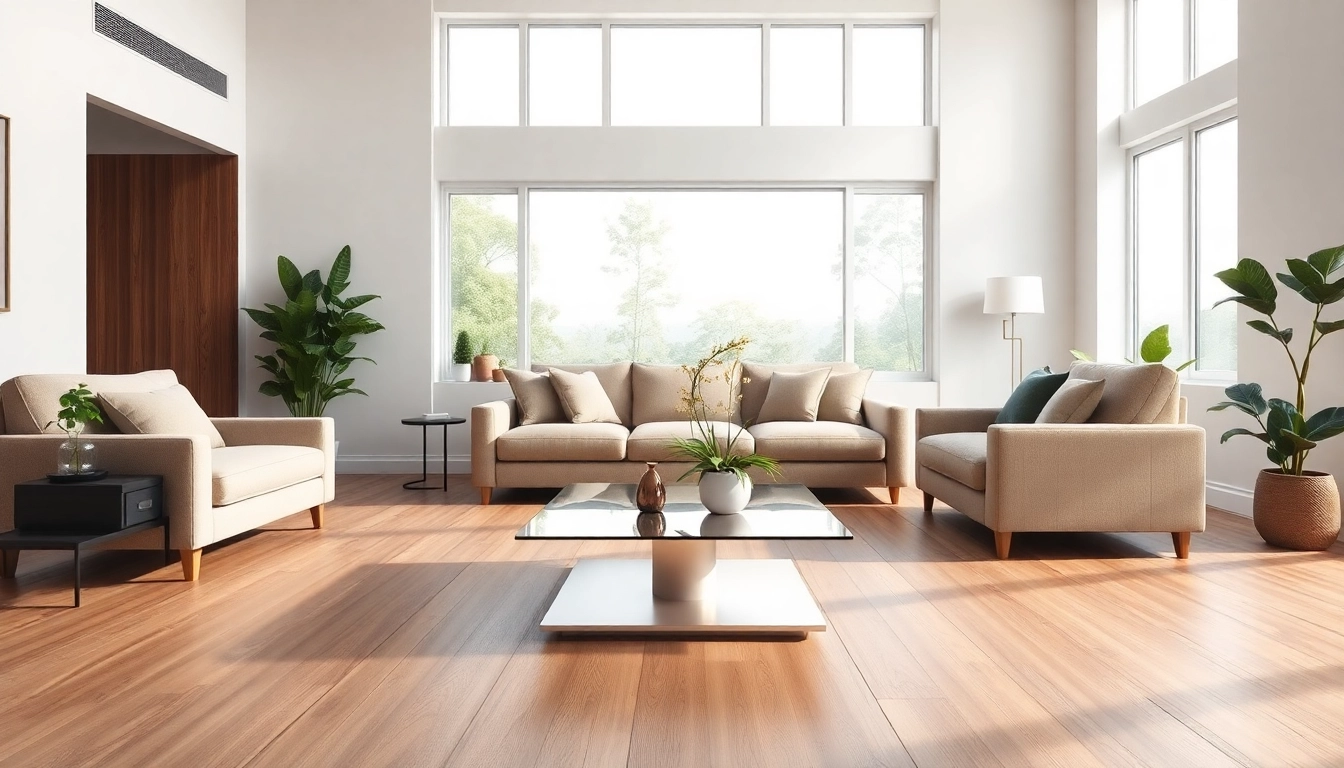
Understanding LVP Flooring
What is LVP Flooring?
LVP flooring, or luxury vinyl plank flooring, is a type of synthetic flooring that mimics the appearance of hardwood or stone while offering enhanced durability and ease of installation. Made from multiple layers including a waterproof core, LVP flooring is designed to withstand everyday wear and tear, making it an ideal choice for residential and commercial spaces alike. The surface layer is often textured to enhance the authenticity of the wood or stone look, making it difficult to distinguish from the real material. With a variety of styles, colors, and finishes, LVP flooring provides flexibility for any interior design.
Benefits of LVP Flooring
There are several notable benefits to choosing LVP flooring for your space. Firstly, its lvp flooring offers exceptional durability, making it resistant to scratches, stains, and moisture. This makes it an excellent choice for high-traffic areas such as living rooms and entryways, as well as moisture-prone spaces like kitchens and bathrooms.
Another benefit is the ease of installation. LVP floors can often be installed as a floating floor, allowing them to be placed over existing flooring without the need for glue or nails. This not only saves time during installation but also reduces costs associated with floor preparation.
Additionally, LVP flooring is known for its comfort underfoot. The vinyl used in its construction provides a softer surface than traditional hardwood or tile, which can be beneficial during long periods of standing or movement. Moreover, it’s generally quieter than hard surfaces, reducing noise levels within a room.
Lastly, maintenance is simple. Regular sweeping and occasional mopping with a suitable cleaner are typically all that’s needed to keep LVP flooring looking new for years.
Different Types of LVP Flooring
Understanding the different types of LVP flooring can help you make an informed decision. There are primarily two types: rigid core and flexible vinyl. Rigid core LVP comes with a sturdy core, typically made from wood plastic composite (WPC) or stone plastic composite (SPC), which offers superior stability and is suited for uneven subfloors. On the other hand, flexible vinyl LVP is more pliable and can be more comfortable but might not offer the same level of structural support.
Another aspect to consider is the texture and design. LVP can feature various wood grains, colors, and finishes, including high-gloss and matte, which contributes to its aesthetic appeal. Some variations even include embossed textures that replicate the feel of natural materials accurately.
Choosing the Right LVP Flooring
Factors to Consider
When selecting LVP flooring, several factors should be taken into account. First and foremost, consider the area of installation. High-traffic spaces, such as hallways and kitchens, may require thicker planks or those with a higher wear layer. Also, consider moisture levels in areas like bathrooms or basements, opting for a fully waterproof option when necessary.
Another critical factor is the size of your room. Larger tiles may create an illusion of a more spacious environment, while smaller planks may add warmth and coziness. Your choice should align with the overall design aesthetic you wish to achieve.
Budgeting for LVP Flooring
Budgeting for LVP flooring involves several considerations beyond material costs. The price of LVP can vary significantly based on quality, brand, and style, so setting a clear budget first is essential. Don’t forget to account for additional costs like underlayment, adhesives (if necessary), and installation services.
Installation costs can vary, especially if you opt for professional help. It’s worth seeking quotes and checking references for potential installers to find a balance between quality and cost. You may also consider DIY installation to save money, provided that you have the necessary skills and tools.
Color and Style Selection
The color and style of LVP flooring can dramatically change the ambiance of a room. Light colors can make a space feel larger and more open, while darker shades can add warmth and sophistication. When selecting colors, consider the existing color palette of your home and how the flooring will integrate with other elements, such as furniture and walls.
Style is equally important; whether you’re looking for a rustic wood look or a sleek modern aesthetic, the options are plentiful. It’s advisable to obtain samples and view them in the space where they will be installed to assess how they interact with natural light and other design features.
Installation Process of LVP Flooring
Preparation for Installation
Preparation is key to a successful LVP flooring installation. Begin by clearing the area of all furniture and ensuring that the subfloor is clean, dry, and level. Any imperfections in the subfloor may transfer through to the vinyl, affecting the overall aesthetic and wear of the flooring.
Once the area is prepared, allow the planks to acclimate to the room’s temperature and humidity for 48 hours before installation. This helps to prevent any expansion or contraction issues once the flooring is laid down.
DIY Installation vs. Professional Help
Deciding whether to install LVP flooring yourself or hire a professional can be daunting. DIY installation can save you money and may be feasible if you have previous flooring experience. Many LVP products come with simple click-lock systems that make home installation accessible.
However, professional installation comes with advantages like warranty coverage and a guarantee of quality. For larger, more intricate spaces, a professional’s expertise can lead to better results and alleviate stress. Assess your confidence and skill level honestly before making this decision.
Common Installation Mistakes
Several common mistakes can detract from the quality of your LVP flooring installation. One of the most significant issues arises due to improper subfloor preparation, which can lead to an uneven installation. Always ensure that the subfloor is clean, dry, and adequately leveled.
Another mistake is not allowing the planks to acclimate properly, which can result in visible gaps or buckling. Additionally, failing to stagger the seams of the planks can compromise the floor’s structural integrity and aesthetic appeal. Following the manufacturer’s guidelines can help avoid these pitfalls.
Maintaining LVP Flooring
Cleaning Tips for Longevity
To maximize the lifespan of your LVP flooring, regular cleaning is essential. Begin with routine sweeping or vacuuming to remove dirt and debris that can cause scratches. For deeper cleaning, damp mopping with a pH-neutral cleaner specifically designed for vinyl flooring is recommended.
Avoid harsh chemicals, as these can damage the protective layers of the flooring. It’s also wise to use furniture pads under items that may scratch the surface, reducing the risk of damage when moving furniture.
Avoiding Common Damages
While LVP flooring is known for its resilience, there are still ways to avoid common damage. Direct sunlight can cause fading, so using window treatments can minimize exposure. Be cautious with wet mops; too much water can seep into seams and damage the flooring, reducing its longevity.
Moreover, heavy furniture should always be lifted rather than dragged across the floor to prevent scratching. Regular inspections will allow you to catch any potential issues early, allowing for timely repairs before they worsen.
When to Seek Professional Help
There are specific instances when seeking professional assistance with your LVP flooring is advisable. For complex repairs or significant damage, such as cracking or extensive scratches, an expert can provide solutions that amateurs may not be able to achieve effectively.
If you notice persistent issues such as buckling or gaps, these may signify subfloor problems requiring professional assessment. Additionally, if you’re considering a layout change that involves extensive reworking, expert guidance can help ensure the desired outcome.
Frequently Asked Questions About LVP Flooring
How long does LVP flooring last?
LVP flooring typically lasts between 10 to 25 years, depending on the quality of the product and the level of foot traffic in the area where it’s installed. Proper maintenance can extend its life significantly.
Is lvp flooring waterproof?
Yes, many LVP flooring products are waterproof, making them ideal for moisture-prone areas like kitchens and bathrooms. Always check product specifications to confirm water resistance.
Can I install lvp flooring over existing floors?
Generally, LVP can be installed over existing floors, provided they are clean, level, and structurally sound. However, consult the product specifications for specific guidelines and recommendations.
How do I clean lvp flooring?
LVP flooring should be regularly swept or vacuumed, followed by occasional damp mopping with a pH-neutral vinyl cleaner. Avoid harsh chemicals that may damage the surface.
What is the average cost of lvp flooring?
The average cost of LVP flooring ranges from $2 to $7 per square foot, not including installation. Costs can vary based on factors like style, brand, and local labor rates.