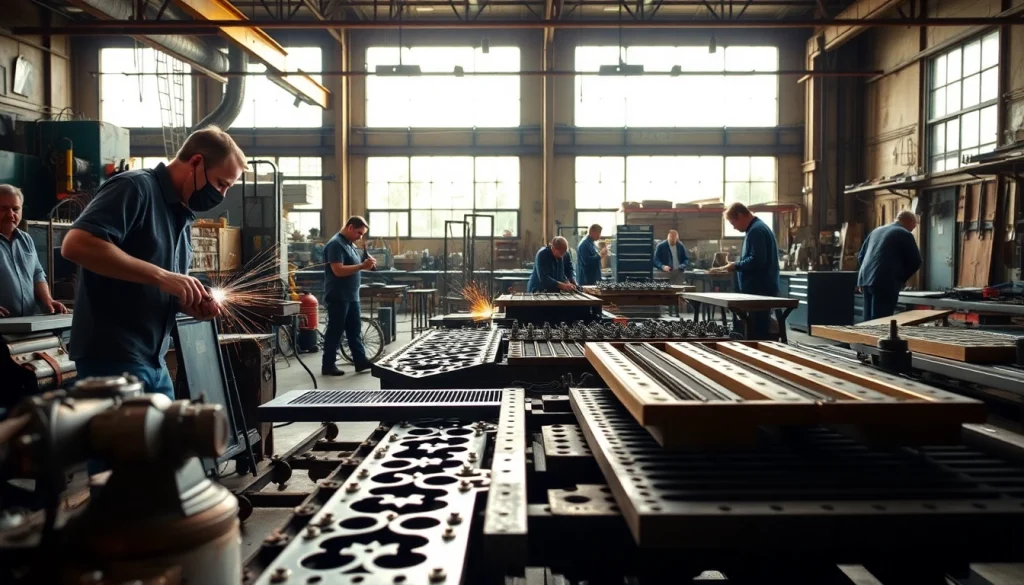
Understanding Custom Steel Fabrication
When it comes to architectural and industrial projects, the phrase custom steel fabrication often arises. This innovative process not only brings designs to life but also ensures they are built with strength and precision. In this section, we will explore the core concepts of custom steel fabrication and why it is crucial in today’s construction landscape.
What is Custom Steel Fabrication?
Custom steel fabrication involves creating unique metal components tailored to specific project requirements rather than relying on pre-manufactured materials. This process typically includes cutting, bending, assembling, and welding steel to meet the unique specifications established by architects, engineers, and clients.
The Importance of Custom Steel Fabrication
In a world where standard solutions may not adequately address complex design challenges, custom steel fabrication becomes vital. It offers a pathway for innovation as architects can experiment with designs that standard materials may not accommodate. Furthermore, it enhances the longevity and performance of structures by utilizing materials that meet bespoke strength and durability specifications.
Key Components of the Fabrication Process
The custom steel fabrication process encompasses several critical phases:
- Design and Engineering: The first step involves meticulous planning and design to ensure all specifications and performance metrics are met.
- Material Selection: Depending on the project’s needs, a variety of steel types, such as carbon steel or stainless steel, may be chosen.
- Cutting and Shaping: Advanced techniques like plasma cutting, laser cutting, and water jet cutting are employed to achieve precise dimensions.
- Assembly: Individual components are assembled, often involving welding practices to combine different pieces securely.
- Finishing: The final stage includes surface treatments, coatings, and quality control checks to ensure durability and aesthetic appeal.
Benefits of Custom Steel Fabrication
Custom steel fabrication is appreciated not just for its versatility, but for the measurable benefits it provides to various projects.
Tailored Solutions for Unique Projects
Each project has specific needs, and custom steel fabrication allows craftspeople to cater to these requirements uniquely. This ensures that every structure can accommodate design innovations while providing functional solutions that standard steel products may not support.
Cost Efficiency and Material Utilization
Although initial costs may appear higher, custom steel fabrication can lead to savings in the long run by minimizing waste through precise cuts and tailored designs. Additionally, construction timelines can be shortened as components can be fabricated concurrently and shipped directly to the job site, leading to efficient project management.
Durability and Strength in Design
Custom-designed steel components often employ higher-quality materials and rigorous testing standards, enhancing structural integrity. Projects built with custom fabrication benefit from robust designs that withstand time, weather, and use, ultimately reducing maintenance costs.
Applications of Custom Steel Fabrication
The versatility of custom steel fabrication permits its application across various sectors, influencing countless industries.
Construction and Architecture
In construction, custom steel provides the skeletal framework for buildings, bridges, and towers. It allows for complex designs—think grand atriums, intricate façade treatments, and load-bearing structures that merge aesthetics with function.
Manufacturing Industries
From assembly lines to equipment housings, manufacturing relies heavily on tailored steel components that enhance the efficiency of operations. Custom steel fabrication ensures that these parts not only fit precisely but also meet the rigors of industrial environments.
Automotive and Aerospace Advancements
In fields like automotive and aerospace, where safety and performance are paramount, custom steel fabrication allows companies to innovate with lighter, stronger materials designed for specific purposes. This can improve fuel efficiency and performance while adhering to stringent safety regulations.
Choosing the Right Fabrication Partner
Selecting a partner for custom steel fabrication is essential to ensure your project’s success. Here are key considerations for making the best choice.
Assessing Experience and Expertise
Before engaging a fabrication partner, verify their background and experience. Look for evidence of successful projects similar to yours and assess customer testimonials. An experienced fabricator will have a robust understanding of industry standards and be able to troubleshoot potential issues.
Evaluating Technology and Tools Used
In the rapidly evolving world of fabrication, technology plays an essential role. A good fabrication partner should utilize cutting-edge tools, such as CNC machinery, advanced welding techniques, and software design technologies that streamline processes and improve overall quality.
Understanding Customer Support and Communication
Clear and efficient communication can determine the success or failure of a project. Choose a partner who prioritizes transparency and is willing to collaborate throughout the fabrication process. Regular updates and a dedicated support team can greatly improve workflow and ensure that your project stays on track.
Future Trends in Custom Steel Fabrication
The future of custom steel fabrication emerges as a blend of traditional craftsmanship and innovative technology, embodying advancements that reshape the industry.
Innovative Techniques in Fabrication
As technology advances, so does the fabrication process. Techniques like 3D printing and automation are making waves, enabling rapid prototyping and highly accurate fabrication. This ensures components can be designed and created significantly faster without sacrificing quality.
Sustainability in Steel Production
With increasing urgency surrounding sustainability, steel producers are turning to recycled materials and eco-friendly processes. Custom steel fabrication can leverage this trend by using recycled steels and reducing waste through more efficient production methods, appealing to eco-conscious clients.
Integrating Advanced Technology
Innovations like the Internet of Things (IoT) and AI are becoming integrated into fabrication processes. These technologies promise enhanced efficiency, real-time monitoring, and predictive maintenance, which can all reduce downtime and improve productivity for fabrication companies.
FAQs
What materials are used in custom steel fabrication?
The main materials include various grades of steel, stainless steel, and alloys based on project requirements.
How does custom steel fabrication compare to standard fabrication?
Custom steel fabrication is tailored to specific project needs, offering unique designs, while standard fabrication typically uses pre-defined templates.
What are typical lead times for custom steel fabrication projects?
Lead times vary based on complexity and size, typically ranging from a few weeks to several months.
Can custom steel fabrication handle large-scale projects?
Yes, custom steel fabrication is well-equipped to manage large projects, from single components to full structures.
What are the costs associated with custom steel fabrication?
Costs depend on materials, design complexity, and project size. Always request a detailed quote before starting.