Understanding Custom Steel Fabrication
Custom steel fabrication is a transformative process that allows businesses and industries to create tailored steel products designed to meet specific needs and specifications. This trade blends engineering precision with artistic design, leading to a multitude of applications across various sectors. By employing specialized techniques and innovative technologies, custom steel fabricators can produce everything from basic structural components to intricate designs that enhance a building’s aesthetic. Companies looking to leverage the benefits of metalwork often turn to custom steel fabrication for its versatility and effectiveness.
What is Custom Steel Fabrication?
Custom steel fabrication refers to the process of cutting, bending, and assembling steel to create specific products tailored to the requirements of different projects. This intricate craft involves the manipulation of steel alloys, which can include carbon steel, stainless steel, and various high-strength steels. Each project might require distinct fabrication processes such as welding, machining, forming, or assembly, ensuring that the final product not only meets functional requirements but also adheres to aesthetic and structural specifications.
Key Benefits of Custom Steel Fabrication
The benefits of custom steel fabrication are multifaceted and can provide businesses with a competitive edge in their respective markets. Below are some key advantages:
- Tailored Solutions: Custom fabrication enables companies to obtain products that fit their exact specifications and unique needs, leading to optimal performance.
- Enhanced Durability: Steel is known for its strength and resilience, making it a perfect choice for products that require longevity and durability under challenging conditions.
- Cost-Effectiveness: Although custom fabrication may seem costly initially, it can lead to savings in the long run through reduced maintenance and fewer replacements.
- Scalability: Custom steel fabrication can support various production scales, from one-off prototypes to large-scale manufacturing, making it adaptable to different project requirements.
- Design Flexibility: Fabricators can create complex shapes that might not be possible with standard steel products, allowing for innovative architectural designs.
Common Applications in Various Industries
Custom steel fabrication finds use in numerous industries, including:
- Construction: Fabricated steel structures serve as the backbone for buildings, bridges, and other infrastructures.
- Automotive: Custom steel parts and assemblies play a critical role in manufacturing vehicles and machinery.
- Energy: Fabricated components are essential in constructing power plants and renewable energy facilities.
- Aerospace: Lightweight, durable steel products are critical for the efficiency and safety of aircraft structures.
- Consumer Goods: From appliances to furniture, many everyday items utilize custom-fabricated steel components.
Essential Techniques in Custom Steel Fabrication
Welding Methods: Choosing the Right Approach
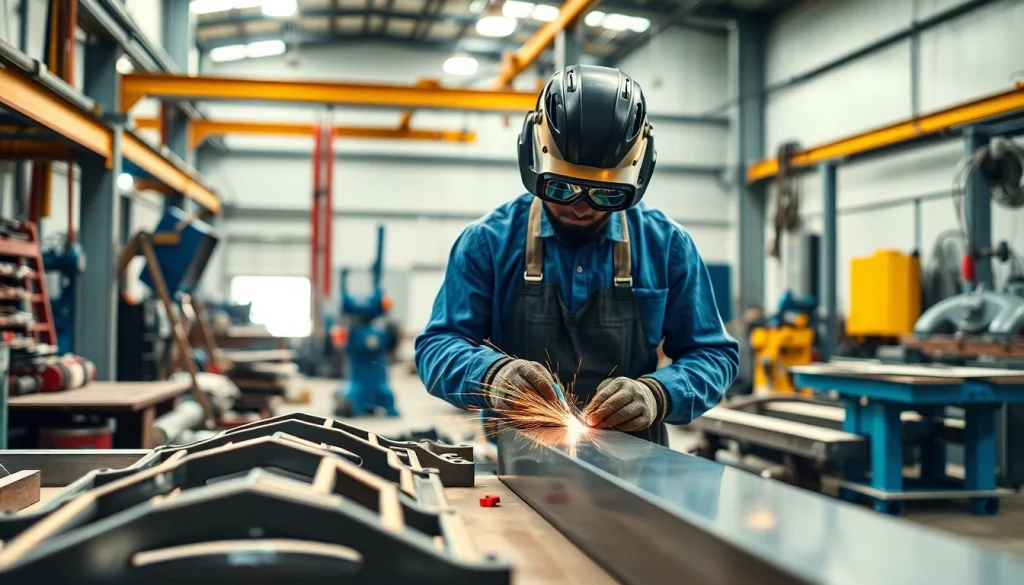
Welding is a fundamental process in custom steel fabrication, as it involves joining metal parts together to form a robust structure. Various welding techniques are available, each with its own advantages based on the application:
- MIG Welding: Ideal for its speed and versatility, MIG welding suits various steel types, allowing for quick production.
- TIG Welding: This method offers high precision and is particularly effective for thinner materials, making it suitable for specialized applications.
- Stick Welding: Known for its simplicity and effectiveness outdoors, stick welding operates well in various environmental conditions.
- Submerged Arc Welding: This technique is preferred for thicker materials and provides deep weld penetration, ensuring strength and durability.
Machining Processes for Precision Fabrication
Machining processes in steel fabrication enhance precision and detail in products. Different machining techniques play various roles:
- Turning: Involves rotating the workpiece to cut away material, producing cylindrical parts necessary for automotive applications.
- Milling: This process removes material from a stationary workpiece, enabling the creation of complex shapes and features.
- Drilling: Used to create holes in various materials, drilling is often necessary for assembly and installation.
- Grinding: Enhances surface finish and tolerance, ensuring fabricated parts meet design specifications.
Finishing Techniques for Enhanced Durability
Finishing techniques are crucial to ensure that fabricated steel products withstand environmental factors and resist corrosion. Common finishing processes include:
- Painting: Adding a protective coat, paint enhances the surface’s aesthetic appeal and shields it from oxidation.
- Galvanization: This involves coating steel with zinc to protect it against rust and extends its lifespan significantly.
- Powder Coating: A dry finishing process that provides a durable, scratch-resistant coating that can be tailored in color and texture.
- anodization: Particularly for aluminum alloys, anodization enhances corrosion resistance and can allow for greater aesthetic options.
Design Considerations for Custom Steel Projects
How to Create Effective Design Specifications
Creating effective design specifications for custom steel projects involves detailed planning and consideration of multiple factors including material properties, load requirements, and aesthetic intentions. Key practices include:
- Gathering Requirements: Collaborate with stakeholders to understand the intended use of the product and the constraints imposed by design and legality.
- Utilizing CAD Software: Computer-Aided Design (CAD) programs facilitate precise modeling to visualize and validate ideas before fabrication.
- Identifying Material Options: Select appropriate steel grades and finishes based on the environment and functional needs.
- Incorporating Safety Standards: Ensure that all design adheres to applicable regulations and safety standards to protect users and structuring integrity.
Integrating Functionality and Aesthetics
Balancing functionality and aesthetics is a hallmark of successful custom steel fabrication. Considerations include:
- Design Trends: Keep abreast of current design trends that might enhance the visual aspects of your fabrication while maintaining functionality.
- Visual Impact: Consider the visual weight of your design. Lighter elements can often create a more inviting appearance.
- Testing and Prototypes: Creating prototypes allows for the assessment of both aesthetic and functional properties before full-scale production.
Addressing Common Design Challenges
Designing for custom steel fabrication often presents challenges such as:
- Defining Project Scope: A well-defined project minimizes revisions, thus optimizing budget and time. Clearly outline objectives and constraints from the outset.
- Material Choices: Different materials react variously to fabrication methods. Choosing the right one can mean the difference between a successful product and failure.
- Supplier Communication: Ensure that all specifications are communicated clearly to suppliers to prevent misunderstandings in materials and fabrication processes.
Best Practices for Quality Control in Steel Fabrication
Implementing Quality Assurance Protocols
Quality assurance is paramount in custom steel fabrication, safeguarding against the production of defective materials. Implementing best practices includes:
- Establishing Quality Metrics: Define what quality means for each project. Metrics may include tolerance levels, finish quality, and structural integrity.
- Regular Inspections: Schedule periodic inspections at various project stages to catch defects early and reduce scrap.
- Documentation: Maintain thorough records of all inspections and validations to ensure compliance with standards and traceability.
Testing Procedures for Fabricated Steel Products
Before output can be deemed ready for delivery, rigorous testing procedures must take place. These can include:
- Load Testing: Assess how the product can handle stress and weight to ensure safety and performance.
- Corrosion Testing: Evaluate the effectiveness of protective coatings to ensure longevity in harsh environments.
- Dimensional Inspection: Conduct precise measurements to ensure that components align with project specifications.
Monitoring Performance and Standards Compliance
Continuous monitoring of fabricated steel performance is crucial for ensuring ongoing safety and efficacy. Key practices include:
- Feedback Loops: Establish channels for customer feedback on product performance, assisting in the identification of common issues.
- Industry Standards: Stay updated with industry standards and regulations to ensure compliance and enact appropriate quality control measures.
- Post-Deployment Evaluation: Assess completed projects to understand outcomes, utilizing them as learning experiences for future initiatives.
Future Trends in Custom Steel Fabrication
Advancements in Technology and Automation
Technological advancements are rapidly reshaping the landscape of custom steel fabrication. Innovations such as:
- 3D Printing: Metal 3D printing allows for the creation of complex parts with minimal waste, significantly reducing production times.
- Robotic Automation: The integration of robotics enhances precision and efficiency in repetitive tasks, improving overall output quality.
- Artificial Intelligence: AI algorithms can optimize cutting and welding processes, ensuring better resource allocation and minimizing human error.
Sustainability Practices in Steel Production
As global consciousness shifts towards sustainability, custom steel fabrication must adapt with eco-friendly practices that may include:
- Recycling Materials: Use recycled steel in fabrication processes, significantly lowering energy consumption compared to the production of new steel.
- Energy Efficient Operations: Invest in energy-efficient equipment and machinery to reduce carbon footprints throughout the production cycle.
- Lifecycle Assessments: Regularly conduct assessments to evaluate the environmental impact of materials from extraction to disposal.
Predictions for Industry Growth and Changes
The future of custom steel fabrication holds promising growth potential driven by demand across various sectors. Experts predict:
- Increased Demand: The need for custom solutions will rise as industries embrace unique designs and specialized components.
- Integration of IoT: With the Internet of Things (IoT), manufacturers can harness real-time data to enhance production efficiency and predictive maintenance.
- Globalization of Supply Chains: The fabrication landscape will increasingly rely on international partnerships to source materials and facilitate innovative designs.