

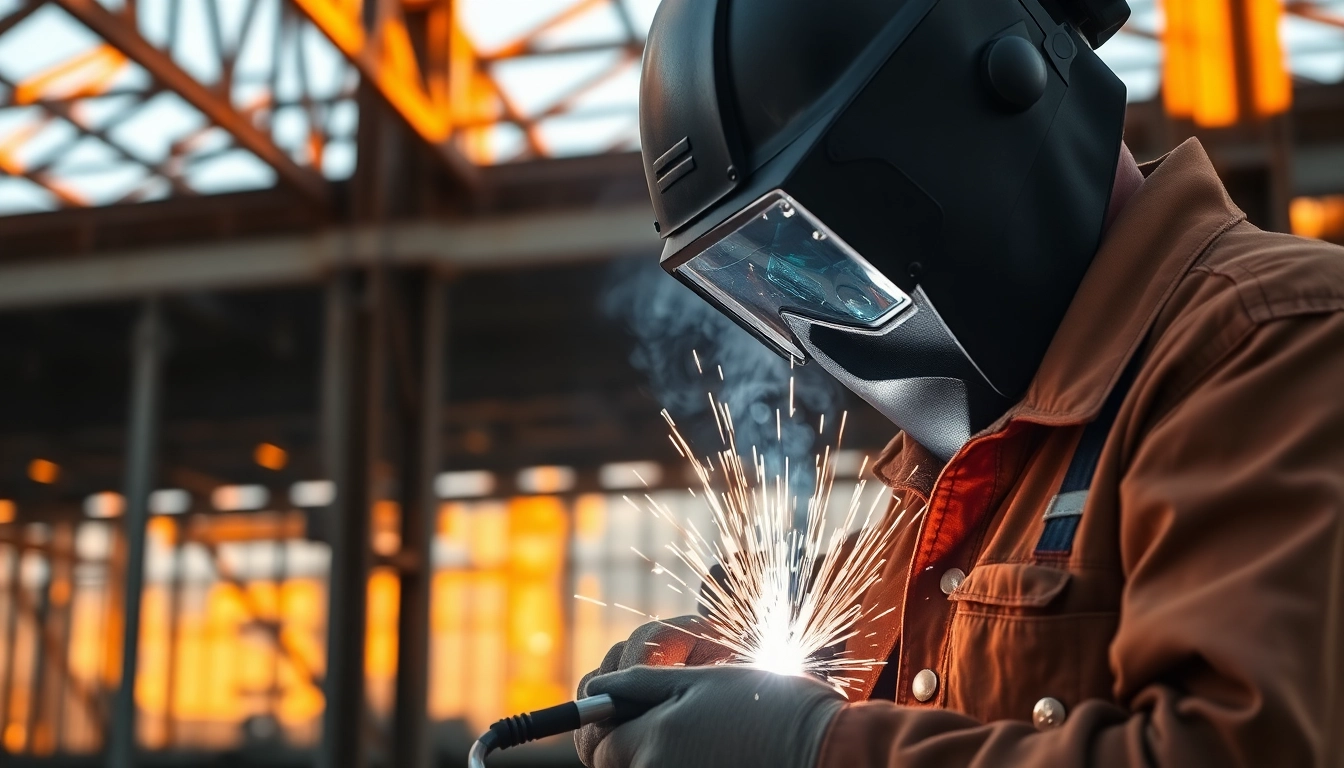
Understanding Structural Steel Welding
Structural steel welding is a critical process in the construction and manufacturing industries, serving as a vital method to join steel components. From towering skyscrapers to intricate bridges, proper welding techniques ensure the integrity and durability of steel structures. This article delves into various facets of structural steel welding, exploring its applications, benefits, methodologies, and best practices for achieving robust welds.
What is Structural Steel Welding?
Structural steel welding is the process of joining metal parts, particularly steel, via welding techniques to form strong, durable structures. This method is essential in construction projects where the weight and stress resistance of materials are critical. Welds create a continuous bond that is crucial for the safety and stability of the structures being built.
Throughout history, welding has evolved from basic techniques to modern, sophisticated methods. Current practices emphasize not just efficiency but also the quality and reliability of the welds, focusing on minimizing defects and enhancing strength.
Key Applications of Structural Steel Welding
The applications for structural steel welding are extensive and can be broadly categorized into various sectors:
- Construction: Buildings, bridges, and other infrastructures rely heavily on structural steel welding to ensure they can withstand environmental and operational stresses.
- Manufacturing: Steel components manufactured for machinery or vehicles often require precise welding to maintain structural integrity under load.
- Energy Sector: Wind turbines, oil rigs, and power plants use structural steel welding to assemble critical parts that need to endure harsh conditions.
- Aerospace and Aviation: Although more stringent, structural welding is used in manufacturing components that require high tensile strength and lightweight materials.
Benefits of Structural Steel Welding
Employing structural steel welding presents numerous advantages, including:
- Strength and Durability: Welded joints provide a solid bond between components, ensuring reliability over time.
- Design Flexibility: Structural steel can be shaped and molded into various forms, allowing for innovative design solutions.
- Speed of Assembly: Welding facilitates faster construction times compared to other methods of joining materials.
- Cost-Effectiveness: When properly executed, a welded joint can be more economical than bolted joints in terms of material and labor costs.
Welding Techniques for Structural Steel
Common Welding Processes Used
Several welding processes are commonly adopted in structural steel welding. The choice of method largely depends on the materials being joined, the structural requirements, and the working environment. Key welding techniques include:
- Shielded Metal Arc Welding (SMAW): Also known as stick welding, this method involves using a consumable electrode coated in flux to lay the weld. It is versatile and can be used in various positions.
- Gas Metal Arc Welding (GMAW): Often referred to as MIG welding, GMAW uses a continuous wire feed as an electrode and is favored for its speed and efficiency.
- Flux-Cored Arc Welding (FCAW): Similar to GMAW, this method uses a tubular wire filled with flux, allowing welding in outdoor conditions without needing shielding gas.
- Submerged Arc Welding (SAW): This is a high-productivity process, mostly used for heavy products, where the weld is covered with a layer of granular fusible material to protect the molten weld.
Choosing the Right Technique for Your Project
Selection of the appropriate welding technique is vital for achieving quality results. Factors to consider include:
- Material Type: Different techniques work best with specific materials; for example, aluminum will require different methods than mild steel.
- Weld Location: Some processes are particularly suited for challenging positions (e.g., overhead vs. flat welding).
- Thickness of Material: The thickness of the steel will dictate the needed heat input and approach.
- Environment: Considerations such as wind or moisture can influence the choice of welding method, notably for outdoor welding.
Comparison of Welding Methods
When selecting a welding technique, it is essential to compare their attributes and efficiencies:
| Welding Method | Advantages | Disadvantages |
|---|---|---|
| SMAW | Portable, versatile, works well in windy conditions | Lower deposition rates, requires more operator skill |
| GMAW | High speed, reduced cleanup effort, less operator fatigue | Less effective outdoors, can be costly due to consumables |
| FCAW | Good for outdoor use, higher deposition rates | Can produce slag inclusions, more difficult cleanup |
| SAW | High productivity, deep penetration | Limited to flat or horizontal plane operations, less versatile |
Essential Equipment for Structural Steel Welding
Welding Machines and Tools
Selecting the appropriate welding machine and tools is critical for achieving optimal results in structural steel welding. Equipment typically includes:
- Welding Machines: Depending on the welding method chosen, machines can range from basic stick welders to advanced MIG and TIG systems.
- Electrodes and Filler Materials: The choice of electrode or filler wire must align with the material being welded and the welding process.
- Welding Accessories: Tools such as clamps, grinders, and contact tips are necessary for preparing and finishing welds.
Protective Gear and Safety Equipment
Safety is paramount in welding due to the inherent risks associated with high temperatures and hazardous materials. Essential protective gear includes:
- Welding Helmets: These should have proper shade lenses to protect the eyes from ultraviolet and infrared radiation.
- Protective Clothing: Flame-resistant jackets and gloves shield the skin from sparks and welding fume exposure.
- Respirators: Essential in environments where hazardous fumes or dust are present, ensuring proper air quality.
Maintenance Tips for Welding Equipment
Proper maintenance enhances the longevity and performance of welding equipment. Key maintenance strategies include:
- Regularly cleaning machines and tools to prevent buildup of dust and debris.
- Conducting routine inspections of cables and connections for signs of wear.
- Storing equipment properly to guard against environmental damage.
Best Practices for Effective Structural Steel Welding
Preparing Metal Surfaces for Welding
Surface preparation is crucial for ensuring high-quality welds. Steps in this process entail:
- Removing contaminants such as paint, rust, and oil to avoid weld defects.
- Grinding or sanding edges to achieve better fit-up and penetration.
- Using proper cleaning agents and processes tailored to the material being welded.
Common Mistakes to Avoid During Welding
Understanding and avoiding common pitfalls throughout the welding process can drastically improve results. Some mistakes include:
- Inadequate joint preparation leading to weak welds.
- Using incorrect welder settings and parameters for the material and thickness.
- Neglecting safety protocols, risking health hazards or accidents.
Quality Control in Structural Steel Welding
Implementing quality control measures is essential to ensure the integrity of welded structures. Key practices involve:
- Conducting visual inspections of welds for consistency and full penetration.
- Employing non-destructive testing methods such as ultrasonic testing to detect internal flaws.
- Establishing standard welding procedures and adhering to regulatory requirements during production.
Training and Certification in Structural Steel Welding
Importance of Certification for Welders
Certification serves as a formal recognition of a welder’s skills and capabilities, which is imperative in the construction industry. Certified welders are often preferred due to their proven expertise, leading to enhanced job opportunities and compliance with safety regulations.
Types of Certification Programs Available
Various programs offer welding certifications, including:
- American Welding Society (AWS) Certification: Recognized nationally, AWS provides a range of welding certifications based on specific processes and materials.
- National Institute for Certification in Engineering Technologies (NICET): Offers certifications focusing on construction inspection, which includes structural welding.
- Customized Training Programs: Many organizations provide tailored programs that align with specific industry needs, often combining classroom training with practical skills.
Continuing Education for Welding Professionals
The welding industry is constantly evolving with new technologies and standards. Ongoing education is crucial for welders to stay updated. This can include:
- Participating in workshops and seminars that cover the latest techniques and materials.
- Engaging in hands-on training with emerging tools and equipment.
- Joining professional organizations to network and access resources for career advancement opportunities.