
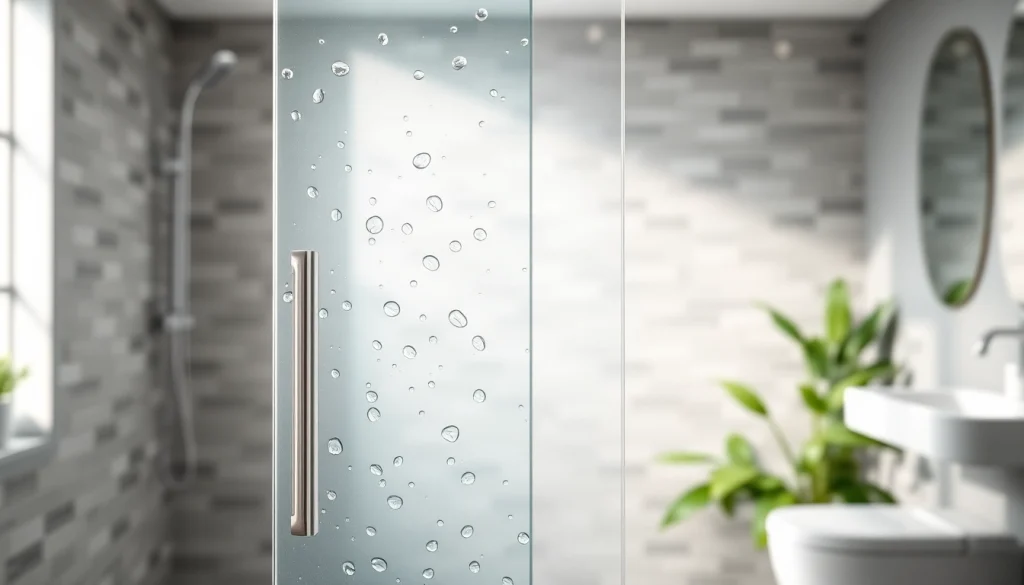
Introduction to the Shower Screen Door
The shower screen door is an essential element of modern bathrooms, combining functionality with aesthetics. Unlike traditional shower curtains, shower screen doors provide a sleek and contemporary look while effectively containing water within the shower area. Whether you’re renovating an existing bathroom or designing a new space, choosing the right shower screen door can enhance both the style and the usability of your bathroom.
What is a Shower Screen Door?
A shower screen door is a transparent barrier that separates the shower area from the rest of the bathroom. Typically made from glass or acrylic, these doors can slide open or swing on hinges, offering a convenient and aesthetic solution to keep water contained. They come in various styles, including framed, semi-frameless, and frameless designs, giving homeowners multiple options for customization.
Benefits of Installing Shower Screen Door
There are several advantages to installing a shower screen door:
- Water Containment: Shower screen doors effectively prevent water from splashing out, keeping the rest of your bathroom dry.
- Enhances Aesthetic Appeal: With a modern design, these doors can significantly elevate the visual appeal of your bathroom.
- Easy Maintenance: Most shower screen doors are easy to clean, with glass options requiring minimal effort to maintain their clarity.
- Increased Space: Unlike bulky shower curtains, shower screen doors can create the illusion of a larger bathroom space.
Key Features to Consider
When selecting a shower screen door, consider the following features:
- Size and Fit: Ensure the dimensions suit your shower space for a proper installation.
- Material Quality: Choose durable materials that can withstand moisture without deteriorating.
- Design and Style: Select a design that complements your overall bathroom decor.
- Ease of Use: Look for doors that operate smoothly and are easy to open and close.
Choosing the Right Material for Your Shower Screen Door
Material selection plays a crucial role in the functionality and appearance of your shower screen door. The two most common materials are glass and acrylic.
Glass vs. Acrylic Shower Screen Door
Glass shower screen doors are favored for their durability and aesthetic appeal. They provide a high-end look and can be treated with protective coatings to resist stains and water spots. However, glass can be heavier and may require professional installation.
Acrylic shower screen doors are lightweight and typically more affordable. They are less likely to shatter, making them a safer option, especially in households with children. However, they may scratch more easily than glass and can yellow over time.
Understanding Frame Options
Shower screen doors come with different frame options that can affect their overall look and functionality:
- Framed: These doors have a metal frame that provides additional support, making them suitable for heavier materials.
- Semi-Frameless: This option combines framed and frameless designs, creating a stylish look with minimal metal.
- Frameless: Offering a sleek, modern aesthetic, frameless doors are typically made from thicker glass and do not use visible metal frames.
Durability and Maintenance Factors
Durability is paramount when selecting your shower screen door. Glass doors can last a lifetime if properly maintained, while acrylic doors may require more frequent replacements due to scratches or discoloration. Regular maintenance, such as using appropriate cleaning solutions and techniques, can help preserve the appearance and integrity of your shower screen door.
Styles and Designs of Shower Screen Door
Your shower screen door can be a focal point in the bathroom, and selecting the right style is essential for both function and form.
Popular Designs for Modern Bathrooms
Current trends in bathroom design have led to the popularity of several styles:
- Sliding Doors: Ideal for smaller bathrooms, sliding shower doors save space while providing easy access.
- Bi-Fold Doors: These doors fold inwards, allowing for maximum accessibility in tight spaces.
- Hinged Doors: Offering a classic look, hinged doors swing open and can add elegance to the bathroom design.
Customizing Your Shower Screen Door
Customization options include selecting unique hardware, like handles and hinges, as well as personalized dimensions to fit your space perfectly. Consider integrating frosted or etched glass for added privacy without sacrificing style.
Color and Texture Choices
While many opt for clear glass, a range of textures and colors is available to achieve the desired aesthetic. Textured glass can provide additional privacy, whereas colored glass can complement the bathroom’s overall color scheme.
Installation Considerations for Shower Screen Door
Installing a shower screen door can vary widely based on the chosen design and material. Below are critical considerations for a successful installation.
DIY vs. Professional Installation
Many homeowners opt for DIY installations as a cost-saving measure. However, professional installation is recommended for frameless glass doors or complex designs to ensure safety and compliance with building codes. Assess your skills and comfort level before deciding on the installation method.
Tools and Materials Needed
If you choose to tackle the installation yourself, gather the following tools:
- Measuring tape
- Drill and appropriate drill bits
- Screwdriver
- Level
- Caulking gun and silicone sealant
Ensure you have the necessary materials, including hinges, handles, and any brackets required for support.
Steps for Successful Installation
Follow these general steps for installing a shower screen door:
- Measure the designated area to confirm dimensions.
- Install any necessary wall mounts or brackets as specified in the product instructions.
- Secure the door in place using the appropriate hinges and ensure it swings or slides smoothly.
- Apply silicone sealant around the edges to prevent water leaks.
- Allow the sealant to cure according to the manufacturer’s instructions before using the shower.
Maintaining Your Shower Screen Door for Longevity
Proper maintenance is key to ensuring your shower screen door remains functional and visually appealing throughout its lifespan.
Cleaning Tips and Best Practices
Regular cleaning is essential for maintaining clarity and preventing soap scum or mineral buildup:
- Use a soft cloth or sponge with a mild detergent to clean.
- Avoid abrasive cleaners or scrubbers that can scratch the surface.
- For tough stains, consider using a mixture of vinegar and baking soda.
Preventing Damage Over Time
To prevent damage, it’s crucial to keep the door free of harsh chemicals and physical impacts. Avoid slamming doors and check for loose hardware periodically to maintain alignment.
When to Replace Your Shower Screen Door
Signs that may indicate it’s time for a replacement include:
- Cracks or chips in the glass or acrylic.
- Severe discoloration in acrylic doors.
- Frequent leaks, indicating a failure in the seals or mounting.
Frequently Asked Questions
What types of materials are used for shower screen doors?
The two most common materials are glass and acrylic. Glass offers a high-end look and durability, while acrylic is lightweight and safer for families.
Can I install a shower screen door myself?
Yes, installation is possible as a DIY project. However, complex designs or frameless doors may require a professional for safety and proper fit.
How do I clean my shower screen door?
Use a mild detergent and a soft cloth. Avoid abrasive scrubbers and opt for vinegar solutions for stubborn stains to ensure clarity.
How long does a shower screen door usually last?
The lifespan can vary; glass doors can last for decades with proper care, while acrylic doors may need replacing every 5-10 years depending on wear and tear.
What designs are best for a small bathroom?
Sliding and bi-fold doors are ideal for small spaces as they don’t require additional space to open, maximizing accessibility and aesthetics.