

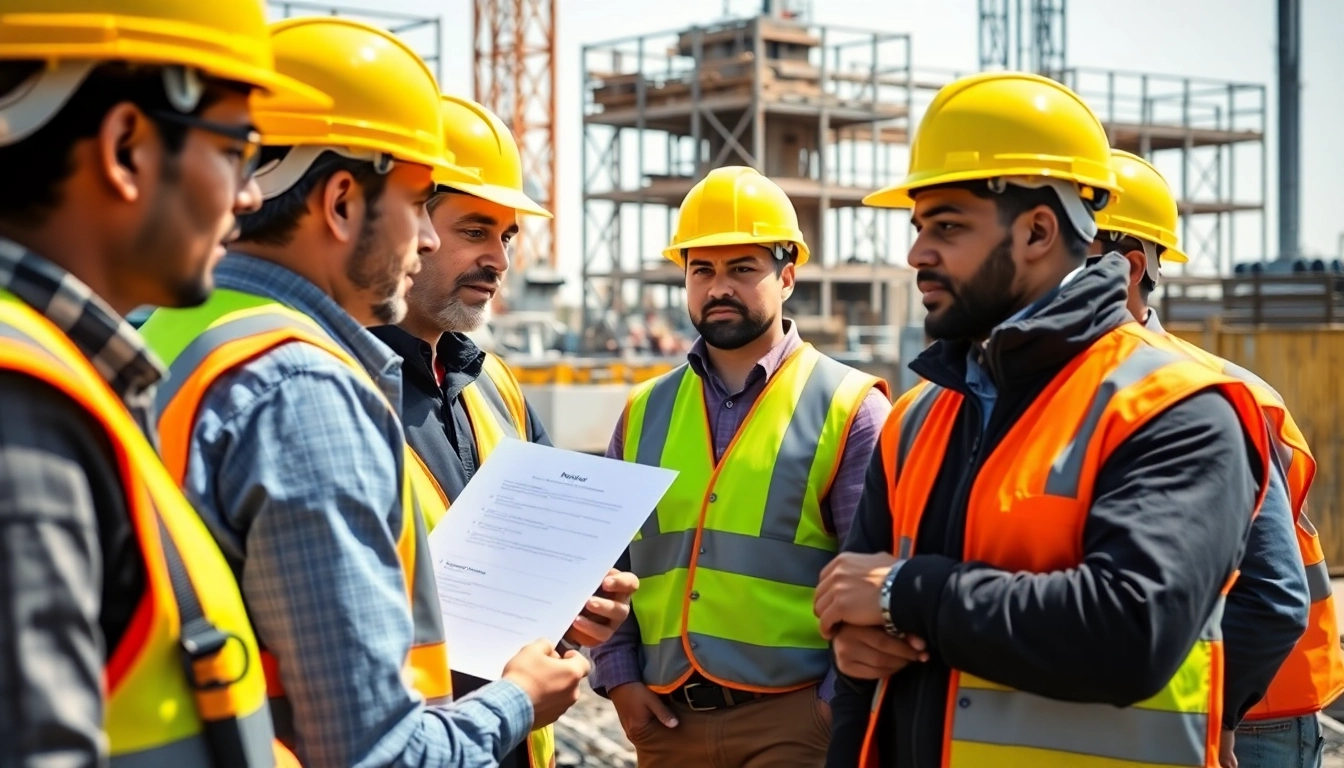
Understanding Construction Safety Training
In the fast-paced environment of construction sites, the importance of construction safety training cannot be overstated. With heavy machinery, complex tasks, and large teams working in various conditions, ensuring the safety of all workers is paramount. This article explores the multifaceted aspects of construction safety training, emphasizing its significance, regulatory frameworks, common hazards, different training methods, effectiveness measurements, and future trends in the field.
Importance of Safety Training in Construction
Construction safety training plays a crucial role in minimizing accidents and injuries on job sites. Research indicates that effective training can reduce workplace injuries by up to 50%, significantly decreasing costs related to medical expenses, legal fees, and workers’ compensation. Besides financial savings, a robust safety training program fosters a culture of safety, boosting employee morale and productivity. Ultimately, by investing in safety training, companies demonstrate their commitment to their employees’ welfare and long-term success.
Key Regulations Governing Construction Safety
The Occupational Safety and Health Administration (OSHA) sets forth numerous regulations governing construction safety training. Employers are legally required to provide a safe work environment, which includes adequate safety training tailored to the specific risks of their projects. Important standards include:
- OSHA 29 CFR 1926: This regulation outlines specific safety measures for construction workers across various hazards.
- OSHA’s General Duty Clause: Employers must proactively protect workers from recognized hazards that could result in death or serious physical harm.
- Fall Protection Standards: These require training and the use of fall protection systems to minimize risks in elevated work environments.
Common Hazards in Construction Work
Construction workers face a variety of hazards that can lead to injuries or fatalities if not properly managed. Some common hazards include:
- Falls: Accounting for a significant portion of fatalities in construction, falls can occur from heights, slip/trip hazards, or scaffolding.
- Electrical Risks: Electrical shocks or electrocution can occur from faulty equipment or improper wiring.
- Heavy Machinery Accidents: Cranes, bulldozers, and other machinery pose risks of injury during operation or maintenance.
- Exposure to Hazards: Workers may encounter hazardous materials such as asbestos, lead, or silica dust.
Types of Construction Safety Training Programs
On-the-Job Training Practices
On-the-job training (OJT) is a dynamic approach that allows workers to learn their tasks in real-time while being supervised by experienced colleagues. This method is suitable for various trades within construction because it combines practical experience with immediate feedback. Effective OJT includes:
- Mentorship Programs: Pairing new hires with seasoned workers for guidance.
- Job Rotation: Allowing employees to experience multiple roles within the organization to gain a broader understanding of safety practices.
- Hands-on Demonstration: Conducting safety drills and simulations to reinforce learning.
Online vs. In-Person Training Methods
The rise of digital technology has introduced online safety training programs, offering flexibility and accessibility to construction workers. Companies must weigh the benefits and downsides of online versus in-person training. Key considerations include:
- Online Training Advantages: Employees can complete modules at their own pace, access materials anytime, and revisit content for reinforcement.
- In-Person Training Benefits: Facilitates direct interaction, hands-on practice, and immediate clarification of complex topics.
- Hybrid Approaches: A combination allowing for theoretical learning online followed by practical sessions in the field can offer the best of both worlds.
Simplifying OSHA Requirements for Workers
OSHA regulations can be daunting for both employers and employees. Simplifying these requirements into digestible training formats is essential. Strategies to achieve this include:
- Visual Learning Aids: Using infographics, concise videos, and interactive elements to illustrate safety guidelines.
- Simple Language: Drafting training materials in plain language, free from jargon, to ensure comprehension by all workers.
- Regular Refreshers: Conducting brief refresher courses periodically to internalize safety protocols continually.
Best Practices for Implementing Effective Training
Engaging Training Techniques for Adult Learners
Adult learners, including construction workers, thrive in active learning environments. Incorporating engaging techniques can enhance participation and retention. Effective methods include:
- Scenario-Based Learning: Using real-life situations that workers may encounter to provoke critical thinking and problem-solving.
- Group Discussions: Facilitating open discussions where learners share experiences and best practices fosters a collaborative environment.
- Gamification Elements: Introducing games or competitive elements in training can create enjoyable learning experiences while reinforcing safety concepts.
Creating a Safety Culture within Teams
Establishing a safety culture goes beyond compliance; it involves integrating safety into every aspect of operations. This can be achieved through:
- Leadership Commitment: Management should model safety practices and prioritize safety measures in all business operations.
- Employee Involvement: Encouraging workers to participate in safety committees or give feedback on safety initiatives promotes ownership of safety practices.
- Recognizing Safe Behavior: A reward system for safe practices can incentivize workers to prioritize safety in their daily activities.
Utilizing Technology for Training Improvement
Advancements in technology offer various opportunities to enhance safety training programs. Some applications include:
- eLearning Platforms: Providing a plethora of resources and courses that workers can access at their leisure.
- Mobile Applications: Offering on-the-go information and safety checklists tailored to individual job tasks.
- Virtual Reality (VR): Immersive training experiences that simulate hazardous scenarios allowing workers to practice their responses in a safe environment.
Measuring the Effectiveness of Safety Training
Key Performance Indicators (KPIs) for Safety Training
Measuring the effectiveness of safety training is vital to ensuring ongoing improvement and adherence to safety protocols. Important KPIs to track include:
- Incident Rates: Monitoring the frequency of accidents or near misses before and after training can show its impact.
- Training Completion Rates: Ensuring all employees complete required training modules is crucial for compliance and safety.
- Employee Engagement Scores: Surveys and feedback can gauge how well employees comprehend and value safety training.
Feedback Mechanisms and Continuous Improvement
Establishing effective feedback mechanisms allows for continuous enhancements to safety training programs. Potential methods include:
- Surveys: Regularly soliciting feedback from workers post-training sessions to identify strengths and areas for improvement.
- Focus Groups: Conducting discussions with small groups of workers to dive deeper into their training experiences and insights.
- Regular Reviews: Reviewing training materials in light of incident reports or new regulations to keep content relevant and effective.
Case Studies of Successful Training Outcomes
Highlighting real-world examples of successful safety training can inspire best practices within organizations. Some notable case studies include:
- ABC Construction: After implementing a VR training program, ABC Construction saw a 40% reduction in incidents related to equipment operation.
- XYZ Builders: By introducing a mentorship program, XYZ Builders noted improved on-the-job training experience and a significant decrease in fall-related injuries.
- LMN Contractors: A workshop incorporating active learning and team problem-solving led to higher employee satisfaction and better adherence to safety protocols across job sites.
Future Trends in Construction Safety Training
Embracing Virtual Reality for Training Simulations
Virtual reality is rapidly transforming construction safety training by providing immersive, interactive simulations that help prepare workers for real-world challenges. VR can recreate hazardous situations safely, allowing employees to practice emergency responses without the risk of injury.
Adapting to New Regulations and Technologies
As technology evolves, so do regulations surrounding construction safety. Staying up to date with these changes is crucial for compliance and worker protection. Companies must continuously review their training programs to incorporate new safety guidelines and technological advancements.
Predicted Changes in Safety Training Needs
Looking forward, the construction industry may experience shifts in training needs driven by factors such as the globalization of the workforce, emerging technologies, and evolving project complexities. Training programs must adapt to include:
- Cross-Cultural Training: As construction sites become more diverse, workers will need training that respects and incorporates different cultural perspectives on safety.
- Integration of Artificial Intelligence: Future training might leverage AI analytics to personalize learning experiences based on individual performance and comprehension.
- Environmental Safety Training: Growing concerns about sustainability may necessitate training focused on environmental regulations and practices to protect not just workers but the broader community as well.
In conclusion, comprehensive construction safety training is not merely a legal obligation but a vital investment in workforce safety and efficiency. By understanding the importance of effective training, adhering to regulations, addressing common hazards, implementing diverse training methods, measuring training effectiveness, and being adaptable to future trends, construction firms can create a culture of safety that protects their most valuable asset—their workers.