

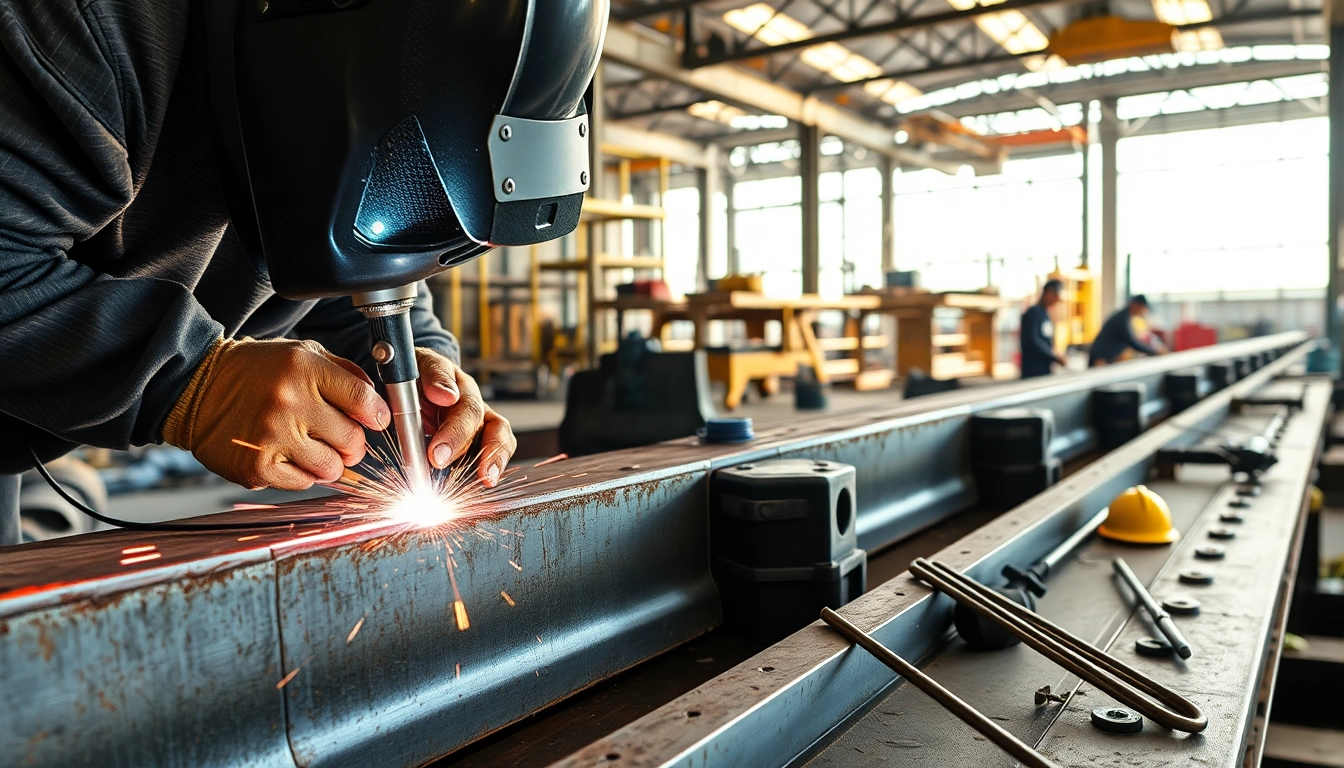
Understanding the Basics of Structural Steel Welding
Structural steel welding is an essential component in modern construction, forming the backbone of various projects, from skyscrapers to bridges. By joining steel components through welding, builders create structures that are not only strong and durable but also capable of withstanding the test of time and environmental factors. In this article, we will explore everything you need to know about structural steel welding, including its types, applications, benefits, best practices, necessary tools, and future trends.
What is Structural Steel Welding?
Structural steel welding is the process of fusing steel parts together by using heat, pressure, or both to form a solid, permanent bond. This technique is widely utilized because of the strengths and resilience of steel as a construction material. It permits the construction of complex shapes and design elements that would otherwise be unattainable using other methods.
Common Types of Welding Techniques
There are several welding techniques that are commonly employed in structural steel welding. These include:
- MIG Welding (Metal Inert Gas): A versatile method that uses a continuously fed wire as an electrode and an inert gas to protect the weld pool from contamination.
- TIG Welding (Tungsten Inert Gas): This process involves the use of a non-consumable tungsten electrode and a filler material, making it ideal for precise and high-quality welds.
- Stick Welding (SMAW – Shielded Metal Arc Welding): A classic and robust type of welding that uses a consumable electrode with a flux coating to produce a weld.
- Submerged Arc Welding (SAW): A process where the welding arc is submerged under a blanket of granular flux, providing better visibility and protecting the weld from atmospheric contamination.
Applications in Modern Construction
The applications of structural steel welding in modern construction are vast. Some of its primary uses include:
- Buildings: From commercial skyscrapers to residential homes, structural steel welding is vital for creating strong frameworks.
- Bridges: Many bridge designs rely on welded steel components to ensure both strength and longevity.
- Industrial Structures: Factories and warehouses often utilize structural steel due to its adaptability and load-bearing capacity.
- Infrastructure Projects: Public works such as roadworks, railings, and elevated walkways utilize welded structural steel to handle heavy loads.
Benefits of Structural Steel Welding
Improved Structural Integrity
One of the primary advantages of structural steel welding is the increased structural integrity it provides. Welded joints offer superior strength compared to bolted or riveted joints, enabling the structure to bear heavier loads and resist environmental stresses much better. This leads to enhanced safety and reliability of the structures over time.
Time and Cost Efficiency
Welding can be significantly faster than other joining methods, leading to reduced labor costs and shorter project timelines. The process can often be completed on-site, minimizing transportation costs and reducing the time to complete a project. Furthermore, when properly executed, welded joints require less maintenance than other methods, decreasing long-term costs.
Flexibility in Design
Welding offers unmatched flexibility in design, allowing engineers and architects to create sophisticated structures with complex geometries. This capability opens up possibilities for innovative designs that push the boundaries of aesthetic and functional requirements of modern construction.
Best Practices for Quality Structural Steel Welding
Preparing for a Welding Project
Preparation is key in ensuring the success of a welding project. Proper planning involves:
- Conducting a thorough evaluation of the project specifications and requirements.
- Selecting the appropriate welding techniques and materials based on structural needs.
- Organizing the workspace to enhance productivity and safety.
- Training personnel in proper welding techniques and safety protocols.
Safety Considerations and Regulations
Safety is paramount in welding operations. Several safety standards and regulations must be adhered to, including:
- Wearing personal protective equipment (PPE) such as helmets, gloves, and fire-resistant clothing.
- Ensuring proper ventilation in the work area to prevent the inhalation of harmful fumes.
- Following national standards, such as those set by the Occupational Safety and Health Administration (OSHA) for safe welding practices.
Post-Welding Inspection Standards
After welding, it is crucial to conduct inspections to assess the quality and integrity of the welds. Common practices include:
- Visual inspections to check for obvious defects.
- Non-destructive testing (NDT) methods, such as ultrasonic or radiographic testing, to detect internal flaws.
- Documenting findings and making necessary repairs before the final project sign-off.
Tools and Equipment for Effective Welding
Essential Tools in Structural Steel Welding
To achieve effective welds, several essential tools and equipment are required:
- Welding Machine: The main equipment used which varies according to the chosen welding method.
- Electrodes: Consumables used in processes like Stick welding that need to be selected based on the materials being joined.
- Protective Gear: Including helmets, gloves, and aprons to protect the worker from heat and sparks.
- Angle Grinders: For surface preparation and finishing welds.
Choosing the Right Welding Machine
When selecting a welding machine, several factors must be taken into consideration:
- The type of welding process (MIG, TIG, Stick, etc.)
- The thickness of the materials being welded.
- Portability requirements, especially for on-site projects.
- Power supply options available (e.g., gas, electric).
Importance of Quality Materials
Using high-quality materials is imperative for successful welding. Steel should meet specific standards and grades to optimize performance. Poor-quality materials can lead to defects, weakening the final product, and increasing the risk of structural failure.
Future Trends in Structural Steel Welding
Technological Advancements
The field of structural steel welding is evolving due to the emergence of new technologies. Innovations such as advanced robotics and computer-controlled welding machines are enhancing precision, speed, and consistency in welding operations. With the integration of artificial intelligence, predictive analytics, and machine learning, welding processes are becoming increasingly efficient.
Eco-Friendly Practices in Welding
As sustainability becomes more critical across industries, eco-friendly practices in welding are on the rise. This includes the use of alternative energy sources, eco-friendly welding materials, and recycling scrap metal. These practices not only minimize environmental impact but also promote operational efficiency.
The Role of Automation in Welding
Automation is playing a significant role in enhancing welding processes. Automated welding systems are helping to reduce human error, enhance safety, and increase production rates. As these technologies evolve, they allow for remote monitoring and inspection of welds, further improving the quality and reliability of welds.